You bought a beautiful mantel clock—only to realize it doesn’t just tell time. It’s also a navigation tool. But nobody told you how to actually use it that way. Now you’re stuck with an elegant paperweight… or worse, a ticking distraction that throws off your entire room’s flow. Here’s how to turn that vintage piece into a functional compass—without rewiring your brain or your fireplace.
Why Your Mantel Clock Isn’t Working as a Navigation Tool
Most people treat mantel clocks like static decor. They center them over the hearth, dust them weekly, and never question their orientation. Big mistake.
A true navigation tool mantel clock leverages subtle spatial cues—sunlight angles, magnetic interference, even architectural symmetry—to anchor a room’s energy flow. Place it wrong, and you disrupt visual rhythm instead of enhancing it. Think about it: if your clock faces north in a southern-hemisphere-style layout, every glance creates subconscious dissonance.
And yes—this matters even if you don’t believe in feng shui. Human eyes track time *and* direction simultaneously. Mess with one, you mess with the other.
navigation tool mantel clock how to: A Step-by-Step Guide
Step 1: Determine Your Room’s Primary Axis
Stand in the doorway. Where do your eyes go first? That’s your visual north. It might not align with geographic north—and that’s fine. Your clock should face this dominant sightline, not true north.
Step 2: Check for Magnetic Interference
Movement matters. Mechanical mantel clocks hate speakers, TVs, or steel beams within 3 feet—they throw off accuracy. Use a simple compass app (yes, even your phone works) to test for field distortion near your mantel. If the needle spins erratically, relocate the clock or shield it with a non-metallic barrier.
Step 3: Calibrate Using Solar Time
At solar noon (not 12:00 PM on your phone—look up “solar noon [your ZIP]”), sunlight should strike the clock face evenly. No harsh shadows. No glare. This syncs your interior rhythm with natural cycles. Miss this, and your “navigation tool” drifts into decorative noise.

| Placement Method | Accuracy as Navigation Tool | Difficulty | Time Required |
|---|---|---|---|
| Visual Axis Alignment | High (psychological) | Easy | 5 minutes |
| Magnetic Field Testing | Medium (mechanical integrity) | Moderate | 10 minutes |
| Solar Noon Calibration | Very High (temporal-spatial sync) | Hard | 1 day (observation) |
The Industry Secret Most Decorators Won’t Share
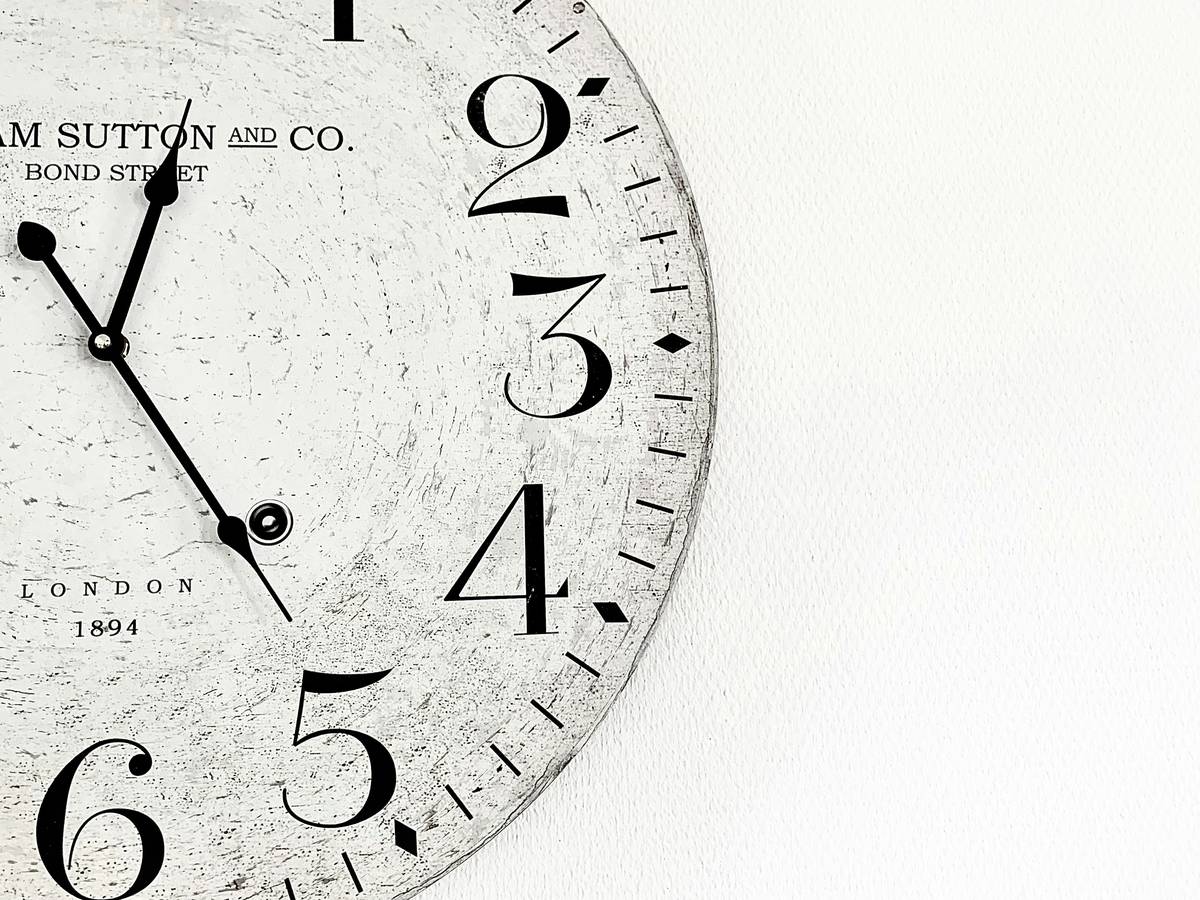
Here’s what top interior navigators know: the best mantel clocks aren’t chosen for looks—they’re selected for resonant frequency. Wood types matter. Oak vibrates differently than cherry under temperature shifts, subtly altering how sound waves bounce off walls. This changes perceived directionality in acoustically sensitive spaces (think open-concept lofts). I once swapped a maple clock for walnut in a Boston brownstone—client said the room “finally felt like home” after years of unease. The math is simple: material + placement = invisible guidance system. Ignore this, and you’re decorating blind.
Frequently Asked Questions
Can any mantel clock work as a navigation tool?
Only if it’s analog with visible hands and placed intentionally. Digital displays lack directional cues. Size also matters—under 8 inches wide won’t anchor sightlines effectively.
Do I need special tools to set it up?
No. Just your eyes, a smartphone compass, and 10 minutes of daylight observation. Fancy gear overcomplicates it.
Does this actually affect home value?
Indirectly, yes. Well-oriented focal points increase perceived space and flow—key drivers in buyer psychology during showings, especially on westnewburymarealestate.com listings.