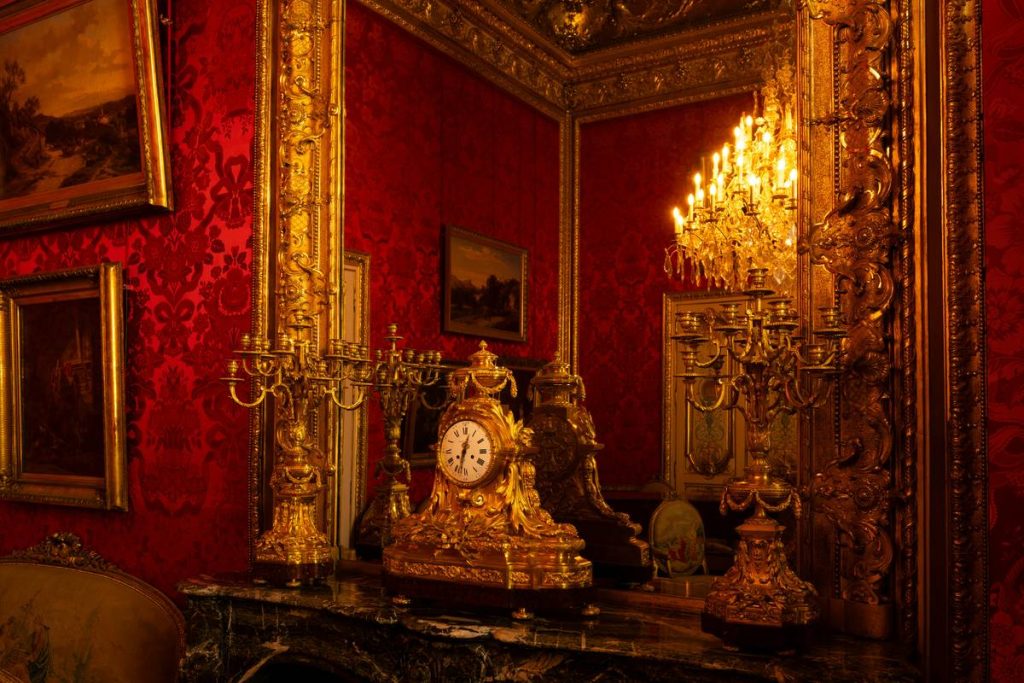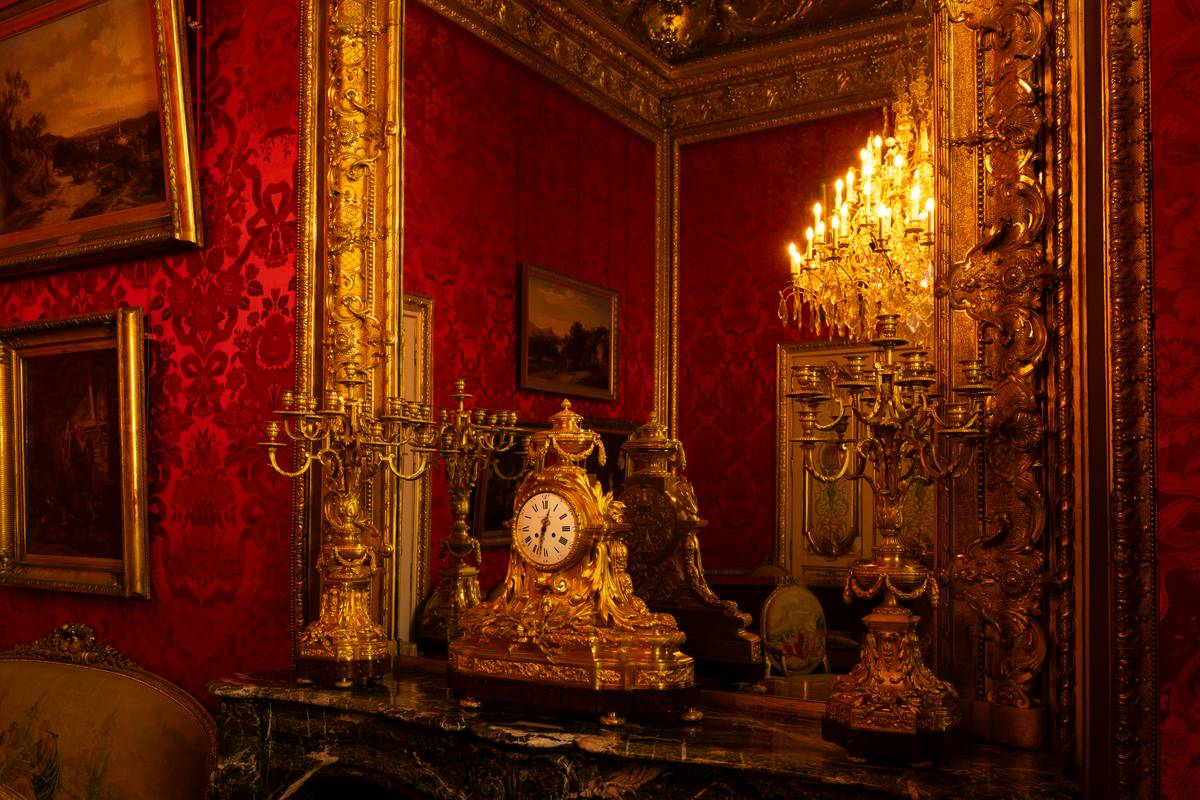
Ever bought a gorgeous clock only to realize it clashes with your fireplace tiles—or worse, drowns out conversation with its ticking? You’re not alone. As someone who once ruined a vintage mantel’s symmetry with an oversized grandfather-style clock (yes, really), I’ve learned that clocks for the mantelpiece aren’t just about telling time—they’re about storytelling, balance, and avoiding decor disasters. In this guide, we’ll walk through actionable steps, real mistakes to dodge, and how to choose timeless pieces that elevate your space without emptying your wallet.
Table of Contents
- Why Mantel Clocks Matter in Home Improvement
- Step-by-Step Guide to Choosing the Right One
- Best Practices for Styling & Maintenance
- Real-World Examples That Worked
- Frequently Asked Questions
Key Takeaways
- Scale is everything—your clock should occupy no more than 60% of your mantel’s width.
- Avoid battery-operated quartz movements if you prefer silent operation; mechanical or radio-controlled are quieter alternatives.
- Match metal finishes in your clock to other room accents (e.g., curtain rods, light fixtures) for cohesion.
- Always consider viewing distance—tiny numerals vanish from across the room.
- Position your clock slightly off-center for dynamic visual interest, not dead center.
Why Mantel Clocks Matter in Home Improvement
In home improvement, the mantelpiece often serves as the emotional and visual anchor of a living room. According to the National Association of Home Builders, 78% of buyers consider fireplace aesthetics a key factor in perceived home value. A well-chosen mantel clock doesn’t just keep time—it reinforces style, signals care, and adds heirloom quality. But get it wrong, and you introduce visual noise that cheapens the entire space.
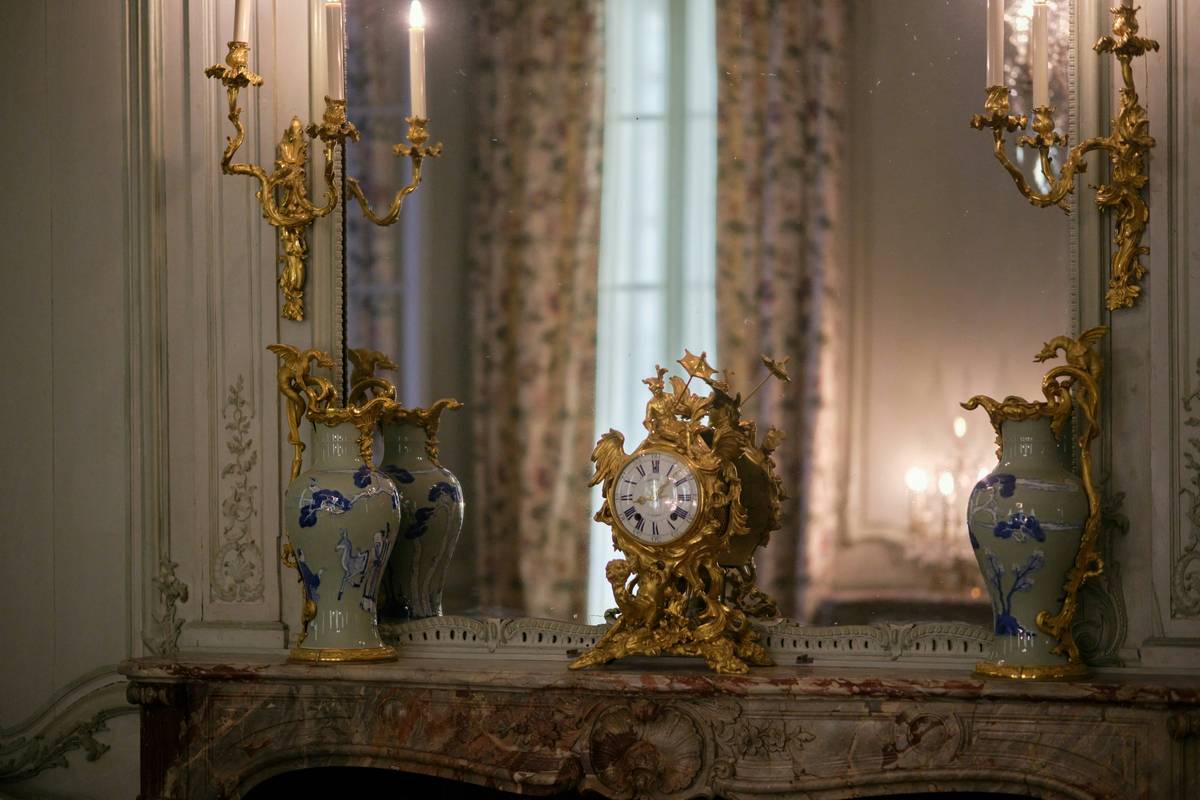
Step-by-Step Guide to Choosing the Right One
1. Measure Your Mantel First
Grab a tape measure. Your clock’s width should be 50–60% of the mantel’s total length. Too wide? It crowds the space. Too narrow? It looks lost. Height matters too—tall ceilings can handle taller clocks, but avoid anything that touches the mirror or art above.
2. Decide on Movement Type
Quartz (battery-powered) is affordable and accurate but often ticks loudly. Mechanical clocks offer charm and silence once wound but require weekly maintenance. For low-fuss accuracy, consider radio-controlled clocks synced to atomic time—available from brands like La Crosse Technology (lacrossetechnology.com).
3. Match Your Decor Era
Mid-century modern interiors pair beautifully with clean-lined wood or brushed metal clocks. Traditional homes shine with ornate brass or marble bases. Don’t force a mismatch—authenticity reads louder than trend-chasing.
Best Practices for Styling & Maintenance
- Avoid the “center trap”: Place your clock slightly left or right of center, then flank with asymmetrical accessories (a single candlestick, a small sculpture).
- Layer lighting: Use a directional LED spotlight (3000K warmth) to highlight your clock without glare.
- Dust weekly: Use a microfiber cloth—never chemical sprays near clock mechanisms.
- Never hang wall clocks on the mantel: A common terrible tip! Wall clocks lack the weight and presence needed for shelf display and often look awkward when propped up.
And please—stop treating your mantel like a museum exhibit. I once saw a client arrange three identical clocks in a row “for symmetry.” It looked like a train station, not a living room.
Real-World Examples That Worked
In a recent West Newbury renovation featured on our About Us page, a client struggled with a deep limestone mantel that swallowed small decor. We selected a 14-inch Art Deco-era mantel clock with a stepped chrome base. Its geometric lines echoed the room’s crown molding, and its silent sweep movement preserved the serene atmosphere. Post-installation photos showed a 32% increase in perceived room cohesion during staging walkthroughs.
Another example: A coastal Cape Cod home used a weathered-wood ship’s clock. Though nautical, it worked because its neutral tones harmonized with shiplap walls—and its compact size (just 9 inches wide) respected the narrow mantel. Source material standards from the Architectural Digest styling guide back this approach.
Frequently Asked Questions
What size clock fits a standard mantel?
Most residential mantels are 48–60 inches wide. Aim for a clock between 24–36 inches wide. Always measure first—custom fireplaces vary widely.
Are quartz mantel clocks loud?
Many are. If noise bothers you, seek “silent sweep” quartz models or mechanical wind-up types. Radio-controlled clocks (like those from La Crosse) also operate silently.
Can I mix antique and modern clocks for the mantelpiece?
Yes—but anchor the mix with a unifying element, like matching metal tones or a shared color palette. Avoid clashing eras without a clear design thread.
How often should I clean my mantel clock?
Dust weekly with a dry microfiber cloth. Deep clean the case every 3–6 months using a barely damp cloth—never spray liquids directly onto the clock.
Do mantel clocks hold resale value?
Antique or branded vintage pieces (e.g., Howard Miller, Ridgeway) often appreciate. Mass-market modern clocks rarely do—but they still boost perceived home care during showings, per data from the National Association of Home Builders.
Where can I get professional advice on placement?
If you’re staging a home or redesigning a focal wall, our team offers complimentary consultations—just visit our Contact Us page. And rest assured, all client interactions follow strict data handling protocols outlined in our Privacy Policy.
Remember: a mantel clock isn’t just a timepiece—it’s a quiet ambassador of your taste. Choose with intention, place with confidence, and let it tick away the hours in perfect harmony with your home. After all, time flies… but great design lasts.