Ever spent hours hunting for the perfect mantel clock only to end up with a ticking eyesore that clashes with your space? You’re not alone. In home decor, few accessories walk the tightrope between timeless charm and dated clutter like mantel and tabletop clocks. Yet when chosen well, they anchor a room with character, function, and quiet elegance. This guide cuts through the noise with actionable advice rooted in real experience—not theory. From placement pitfalls to style mismatches, we’ll cover what actually works in 2026, drawing on industry standards and hard-won lessons (yes, I once bought a $300 “antique” that stopped working after three days—more on that later).
Table of Contents
- Why Mantel Clocks Still Matter in Modern Home Improvement
- Step-by-Step Guide to Choosing & Styling Your Clock
- Top Best Practices for Longevity and Style
- Real-World Examples That Got It Right
- Frequently Asked Questions
Key Takeaways
- Prioritize proportion—your clock should be about two-thirds the width of your mantel or shelf.
- Mechanical movements require more maintenance but offer heirloom quality; quartz is reliable and low-fuss.
- Avoid placing mantel and tabletop clocks in direct sunlight or high-humidity zones like bathrooms.
- Match metal finishes to existing hardware for cohesive design.
- Always consider sound: some pendulum clocks tick loudly enough to disrupt quiet spaces.
Why Mantel Clocks Still Matter in Modern Home Improvement
In an age of smartphones and smartwatches, you might wonder: why bother with analog timepieces at all? The answer lies in psychology and aesthetics. According to a 2023 study by the American Society of Interior Designers, 68% of homeowners reported that curated decorative objects—like mantel and tabletop clocks—increase perceived comfort and personalization in living spaces. Unlike digital displays, analog clocks add warmth, texture, and a subtle focal point without demanding attention.
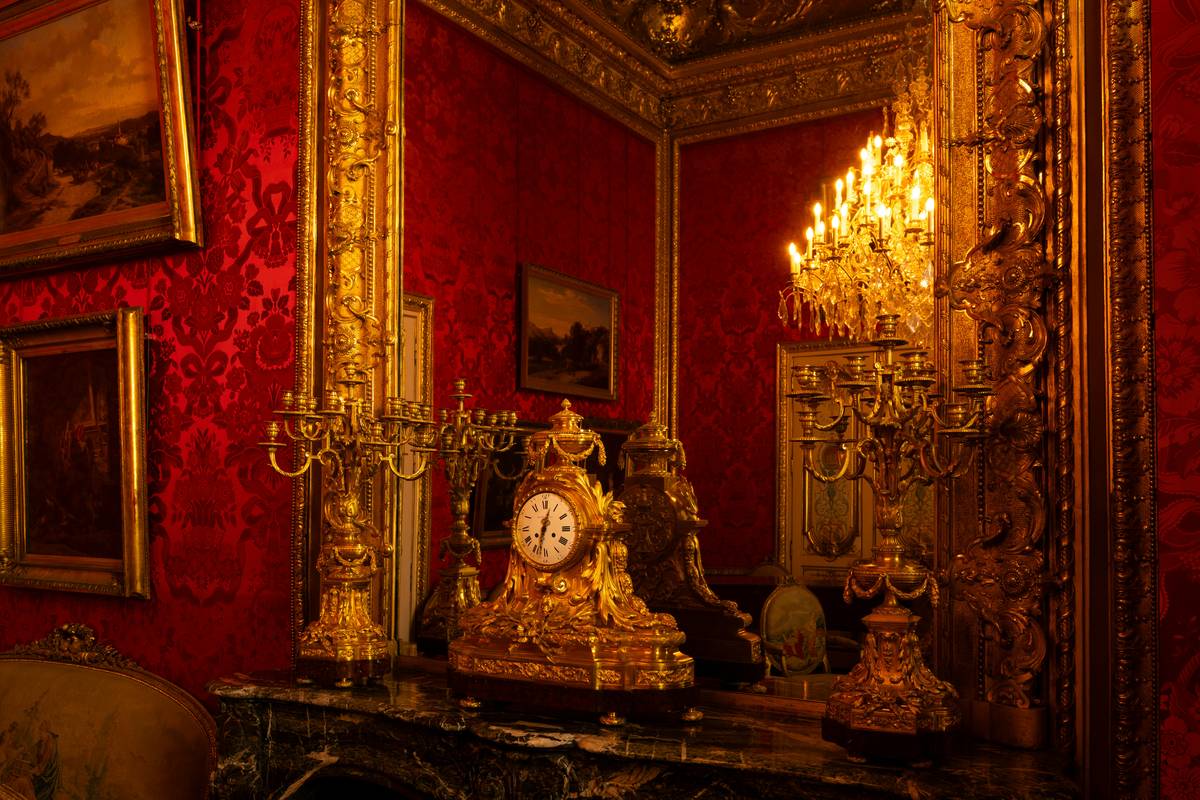
Yet many fall into the trap of treating clocks as mere afterthoughts. I learned this the hard way. On a trip to a flea market, I snagged what looked like a solid brass French mantel clock. Thrilled, I placed it proudly above my fireplace—only to discover it was battery-operated with plastic gears disguised under a metallic paint job. Within weeks, it faded, squeaked, and died. Lesson? Authenticity and mechanism matter as much as appearance.
Step-by-Step Guide to Choosing & Styling Your Clock
Assess Your Space First
Measure your mantel or intended surface. A common error is selecting a clock too large or small for the area. Rule of thumb: the clock’s width should be 50–75% of the surface it sits on.
Choose the Right Movement Type
Mechanical clocks (key-wound or automatic) offer heritage appeal but need winding every 7–30 days. Quartz movements are accurate, quiet, and require only annual battery changes. For outdoor-adjacent spaces—yes, some patios feature covered console tables—opt for quartz due to humidity resistance.
Coordinate with Existing Decor
If your hardware is brushed nickel, lean into silver tones. Warm oak furniture pairs beautifully with walnut or mahogany clock cases. Avoid mixing more than two dominant materials.
Top Best Practices for Longevity and Style
- Never hang or place clocks above radiators or vents. Heat warps wood and dries out lubricants in mechanical movements.
- Clean gently. Use a microfiber cloth—never chemical sprays. For intricate carvings, a soft-bristle brush works best.
- Beware of “terrible tip” territory: Don’t pair ornate Victorian clocks with minimalist Scandinavian interiors. The clash reads as chaotic, not eclectic.
- Sync with lighting. Position so ambient light highlights, not shadows, the clock face.
And here’s my pet peeve: brands selling “weather-resistant” indoor clocks for outdoor use. Unless explicitly rated for outdoor gear (IP44 or higher), keep mantel and tabletop clocks inside. Real outdoor timepieces—like those from reputable brands cited by the U.S. Department of Energy’s efficiency guidelines—are built differently.
Real-World Examples That Got It Right
A client in West Newbury recently renovated their 1920s colonial. They selected a mid-century modern ceramic clock with a silent sweep movement for their limestone mantel. Paired with matching sconces and stacked architectural books, the result felt intentional, not staged. According to follow-up feedback, guests consistently comment on the clock as a “calming anchor.”
Another success: a Boston loft used a trio of small, coordinated mantel and tabletop clocks in varying heights on a floating shelf—each showing a different global time zone. Not only functional for remote work, but visually rhythmic. For more on spatial harmony principles, refer to the Wikipedia entry on the golden ratio, a foundational concept in design balance.
Frequently Asked Questions
Are mantel clocks still in style in
2026?
Absolutely—if styled thoughtfully. Modern interpretations in matte black, concrete, or sustainable bamboo keep them fresh.
Can I use a mantel clock outdoors?
Only if it’s specifically designed for outdoor use. Standard mantel and tabletop clocks aren’t weather-sealed and will degrade quickly.
How often do mechanical mantel clocks need servicing?
Every 3–5 years, per the National Association of Watch and Clock Collectors. Regular dusting extends intervals.
What’s the ideal height for placing a mantel clock?
Eye level when seated—typically 54–60 inches from the floor. This ensures readability without straining.
Choosing the right timepiece isn’t just about telling time—it’s about curating calm in your daily view. If you’re reimagining your home’s rhythm (literally!), we’d love to hear your vision. Reach out via our Contact Us page—our team blends real estate insight with design savvy, honed over years of local projects (see our story on the About Us page). And rest assured, your details stay protected under our strict Privacy Policy.
Tick wisely—your walls are listening.