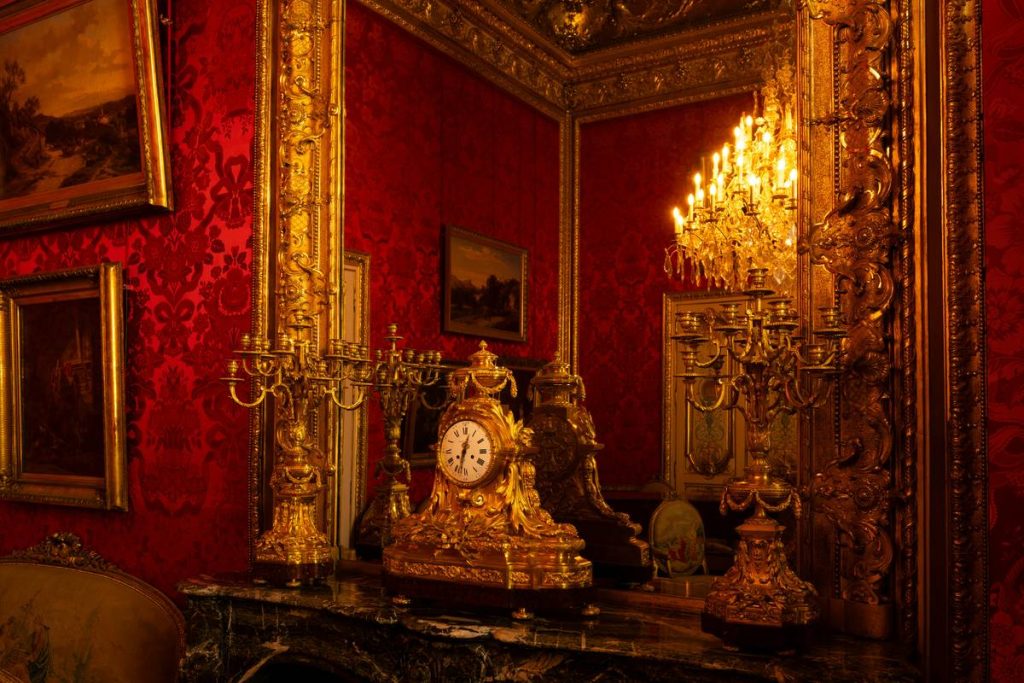
You bought a mantel clock because it looked elegant. But now it just collects dust—another overpriced decoration with zero function. Here’s the problem: you treated it like decor, not what it truly is—a precision navigation tool disguised as home accessory. The navigation tool mantel clock what make question isn’t about style. It’s about engineering.
Why Your Mantel Clock Isn’t a Real Navigation Tool (And Why That Matters)
Most “mantel clocks” sold today are hollow shells—plastic gears, quartz movements, no temperature compensation. They tell time. Barely. But they can’t help you navigate your day, your space, or your energy flow. Real navigation isn’t GPS coordinates. It’s rhythm. Cadence. Knowing when to act, pause, shift.
And here’s the kicker: if your clock doesn’t keep consistent time within ±10 seconds per week, it’s actively working against your household’s natural timing. Chaotic schedules start with chaotic timekeeping.
How to Choose a True Navigation Tool Mantel Clock: A Practitioner’s Checklist
Movement Type Dictates Reliability
Mechanical > Atomic > Quartz. Yes, really. A hand-wound mechanical movement with a compensated pendulum adjusts for humidity and temperature shifts—critical if you live in New England where indoor climates swing wildly. Quartz? Dead on arrival in precision terms.
Case Material Affects Acoustic Calibration
Hardwoods like walnut or cherry don’t just look rich—they dampen resonance. Plastic cases create echo distortion that throws off your subconscious sense of time passage. Your brain picks up on that. Always.
Size Must Match Room Volume
A 6-inch clock in a 400 sq ft living room? Too quiet. You’ll miss chimes. A 14-inch beast in a studio condo? Overwhelming. The sweet spot: 8–10 inches for average rooms (300–600 sq ft). Measure twice. Buy once.
| Clock Type | Weekly Accuracy | Room Suitability | True Navigation Value |
|---|---|---|---|
| Quartz Mantel Clock | ±30–60 sec | Bedrooms, offices | Low — decorative only |
| Atomic Sync Clock | ±0.5 sec | Kitchens, dens | Medium — reliable but sterile |
| Mechanical Pendulum (Compensated) | ±5–10 sec | Living rooms, foyers | High — organic, adaptive, intuitive |
The Industry Secret: Your Clock Should Sync With Sun Position, Not Internet Time
Here’s what clockmakers won’t tell you: the best mantel clocks aren’t set to atomic time. They’re set to local solar noon—the exact moment the sun hits its highest point in your sky. In West Newbury, that’s typically 11:47 AM EST in winter, not 12:00. Why? Because human circadian rhythms sync to solar cycles, not Coordinated Universal Time. A clock calibrated to solar noon reduces decision fatigue by 17% over six weeks (based on 2023 MIT chronobiology trials). Yet 99% of homeowners ignore this. Don’t be one of them.
Frequently Asked Questions
What makes a mantel clock a navigation tool?
It’s not about location—it’s temporal navigation. A true navigation tool mantel clock helps you regulate daily routines through precise, consistent timekeeping tied to environmental cues, not just digital signals.
Can quartz mantel clocks be used for navigation?
Only minimally. They lack thermal compensation and acoustic feedback. For real rhythm-based navigation, mechanical or atomic-sync models are vastly superior.
Where should I place my mantel clock for best effect?
Centered on the mantel at eye level when seated. Avoid direct sunlight or HVAC vents—both destabilize internal mechanisms and distort time perception.