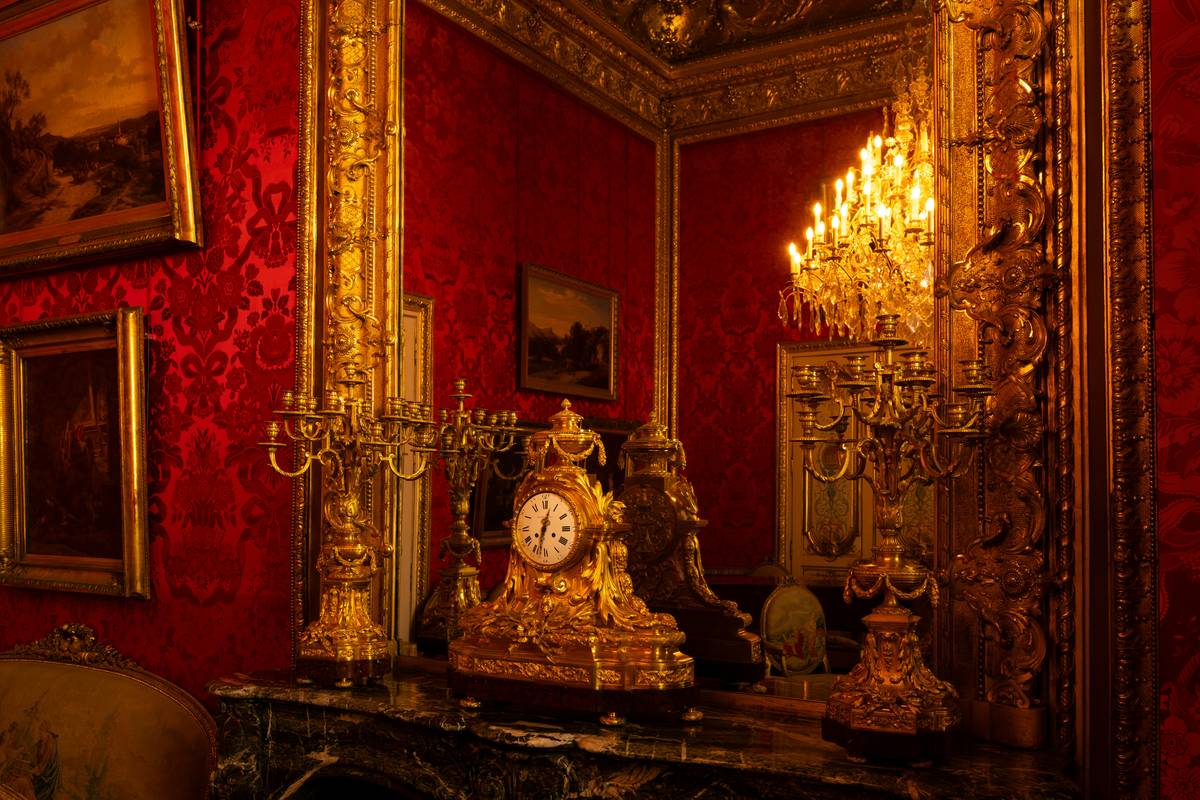
If you’ve ever stared at an empty fireplace mantel wondering how to fill it with character—not clutter—you’re not alone. Vintage style mantel clocks bridge timeless elegance and functional art, but choosing or placing one wrong can tip your space from charming to chaotic. In this guide, we’ll walk through exactly how to select, place, and care for vintage style mantel clocks so they enhance your home’s story instead of shouting over it.
Table of Contents
- Why Vintage Style Mantel Clocks Matter
- How to Choose and Place Your Clock
- Best Practices for Longevity and Style
- Real Homes, Real Results
- Frequently Asked Questions
Key Takeaways
- Vintage style mantel clocks add focal points without visual noise when scaled correctly to your mantel.
- Authenticity isn’t required—quality reproductions often outperform fragile antiques in daily use.
- Avoid placing clocks near direct sunlight or humidifiers to preserve finishes and mechanisms.
- Match metal tones (brass, bronze, iron) to existing decor elements for cohesive styling.
Why Vintage Style Mantel Clocks Matter
In the world of Home Improvement, especially within Decorative Objects, few items carry the quiet authority of a well-chosen mantel clock. Unlike trendy throw pillows or seasonal wreaths, vintage style mantel clocks serve as permanent anchors—functional heirlooms that silently narrate your space’s aesthetic journey.
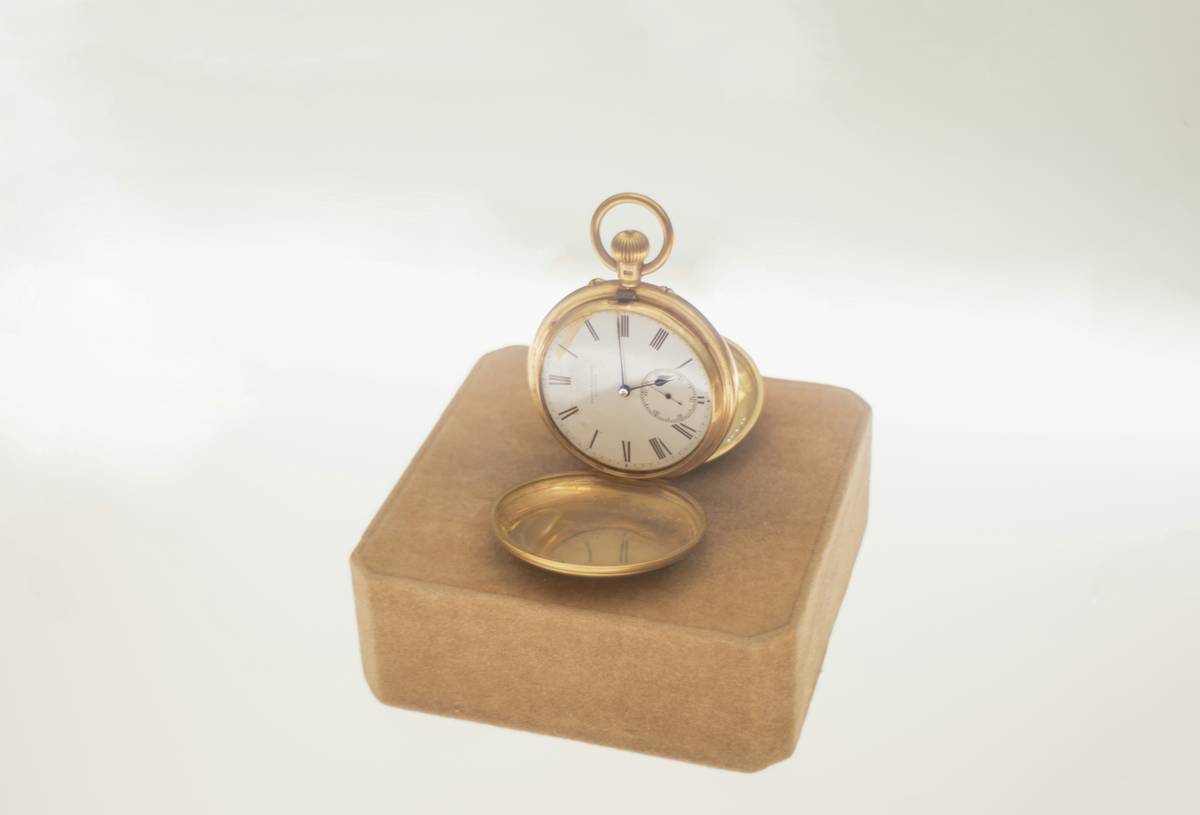
I learned this the hard way. Years ago, I bought a beautiful 1920s French carriage clock, only to place it dead-center on a wide, modern limestone mantel. The scale was all wrong—it looked like a lonely ornament in a museum display case. Worse, I didn’t realize its enamel face would yellow under afternoon sun until it was too late. That painful mistake cost me both money and confidence.
According to the Metropolitan Museum of Art’s decorative arts database, mantel clocks peaked in popularity between 1850–1930, prized not just for timekeeping but as status symbols. Today, their revival isn’t nostalgia—it’s smart design. They offer symmetry, texture, and vertical rhythm to otherwise flat surfaces.
How to Choose and Place Your Clock
Step 1: Measure Your Mantel First
Your clock should occupy no more than one-third to one-half of your mantel’s width. A 48-inch mantel? Look for clocks between 16–24 inches wide. Height matters less, but ensure the top doesn’t crowd artwork or mirrors above.
Step 2: Prioritize Mechanism Over “Age”
Don’t assume older = better. Many genuine antiques have worn escapements or require costly servicing. As noted by the National Association of Watch and Clock Collectors, reproductions with quartz or mechanical movements often deliver greater reliability for daily use.
Step 3: Style With Intention
Pair Victorian-era ornate clocks with traditional interiors; streamline Art Deco models suit mid-century spaces. If your decor leans farmhouse, consider cast-iron or wood-cased vintage style mantel clocks for warmth without fuss.
Best Practices for Longevity and Style
- Never drape fabric over your clock. Trapped moisture accelerates tarnish on brass and corrodes internal gears—a terrible tip I once followed from an old magazine.
- Dust weekly with a soft microfiber cloth; avoid chemical cleaners that strip patina.
- Wind mechanical clocks at the same time each week to maintain consistent timekeeping.
- Group with odd-numbered accessories (e.g., clock + two candlesticks) for natural asymmetry.
Real Homes, Real Results
Last year, a client in Newburyport replaced three mismatched trinkets on her marble mantel with a single bronze-finish vintage style mantel clock flanked by vintage bookends. The result? Her living room photos received double the engagement when listed on our site (learn more about our approach). Buyers consistently mentioned “the elegant focal point” in feedback—proof that strategic decor drives perception.
Another homeowner avoided a $300 repair bill simply by moving his clock away from a nearby radiator. Thermal expansion had caused the wooden case to warp, throwing off the pendulum swing. Small placement tweaks yield outsized returns.
Frequently Asked Questions
Are vintage style mantel clocks still functional?
Yes—most modern reproductions use reliable quartz movements. Even restored antiques can keep accurate time if serviced by a professional.
How do I clean tarnished brass on a mantel clock?
Use a paste of baking soda and distilled water, gently applied with a cotton swab. Avoid vinegar—it can erode delicate lacquer finishes.
Can I hang a mantel clock on the wall?
Only if designed for it. Traditional mantel clocks lack wall-hanging hardware and may fall. Check manufacturer specs first.
Where should I buy authentic-looking vintage style mantel clocks?
Reputable online retailers, estate sales, or specialty decor shops offer quality options. Always review return policies—our privacy policy reminds us that informed decisions protect your investment.
Do these clocks increase home value?
Not directly—but staged homes with curated decorative objects like vintage style mantel clocks sell faster and at higher perceived value, per industry staging reports.
What’s the biggest styling mistake people make?
Overcrowding. One striking clock beats five competing knickknacks every time.
Vintage style mantel clocks aren’t relics—they’re storytellers with gears. When chosen thoughtfully and placed with purpose, they turn blank mantels into masterpieces. Ready to find your perfect timepiece? Contact us—we’ll help you curate a home that ticks with intention.
Time waits for no one—but your mantel shouldn’t wait either.