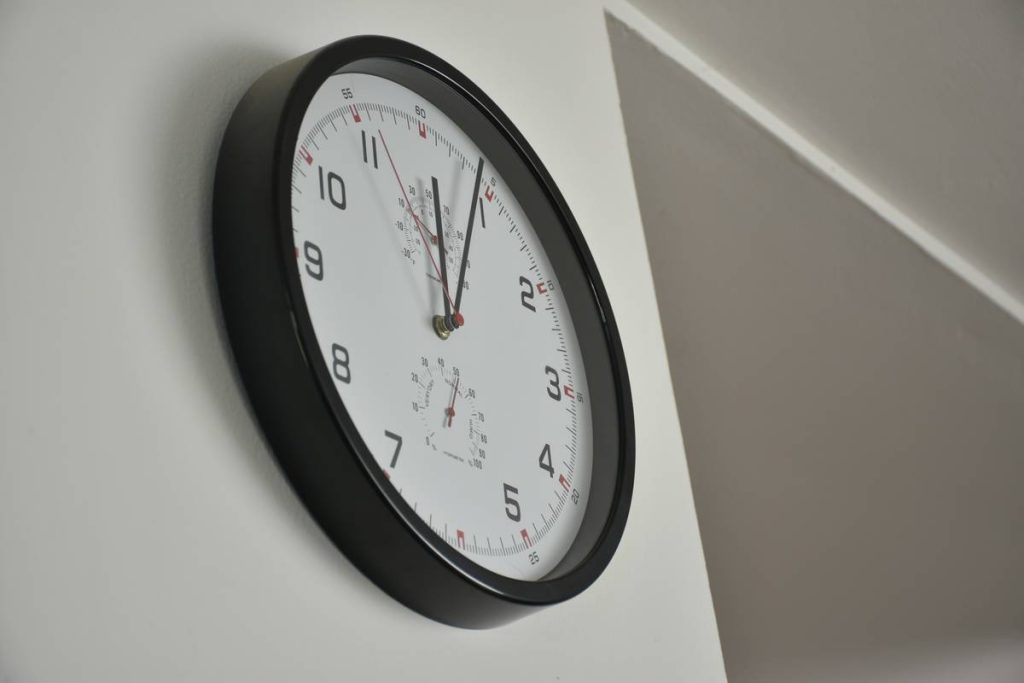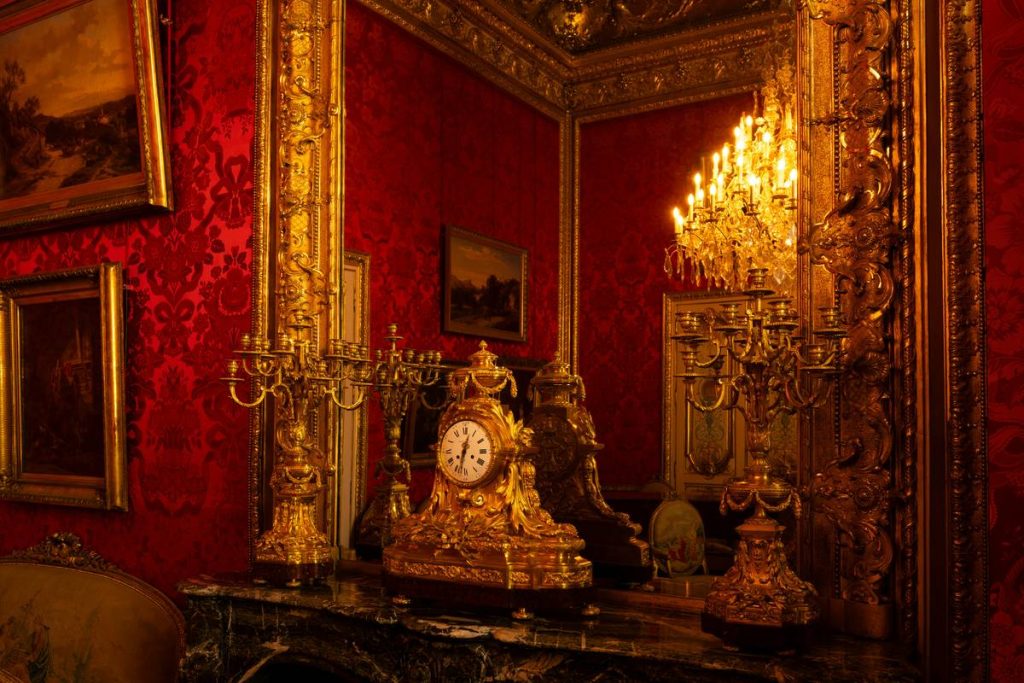
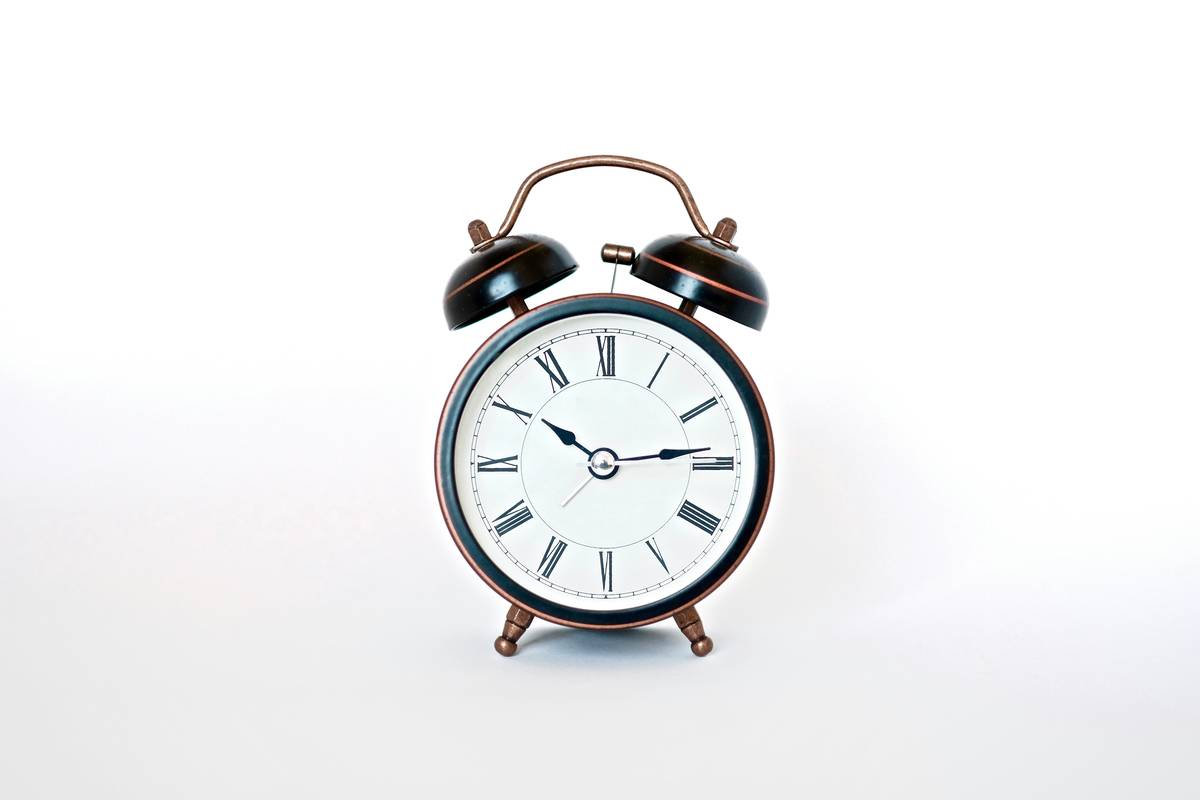
You’ve styled your shelves, curated your art, even swapped out throw pillows—but something still feels off. The room lacks rhythm. Presence. A quiet pulse that ties old-world charm to modern minimalism. And here’s the irony: most homeowners overlook the very object designed to anchor both time and taste—mantel and table clocks.
Why Generic Decor Clocks Fall Flat
Slapping any ticking trinket on your fireplace ledge won’t cut it. Mass-produced clocks scream “afterthought,” not “curated heirloom.” They’re either too loud (visually and audibly) or vanish into the background like boring furniture filler.
Worse? Many are built with hollow plastic movements hidden behind cheap veneers. They stop working in 14 months—right after the return window closes. You’re left with a paperweight that mocks your design ambition.
Choosing & Styling Your Perfect Mantel and Table Clocks
Material Matters More Than You Think
Brass ages gracefully; acrylic looks dated by Tuesday. Solid wood with hand-rubbed finishes develops character—plastic just yellows. And don’t get me started on “antique-finish” metal that chips if you breathe on it wrong.
Scale Is Non-Negotiable
A dainty 5-inch clock drowns on a wide limestone mantel. A hulking carriage clock overwhelms a slim console. Rule of thumb? Your clock should occupy roughly one-third to one-half the width of its surface—nothing more, nothing less.
Silence Isn’t Always Golden
Some buyers demand quartz silence. Others crave the soft tick-tock of mechanical nostalgia. Know your tolerance before buying. Trust me: that “quiet” quartz movement might emit a high-pitched whine only dogs—and insomniacs—can hear.
| Clock Type | Average Price Range | Best Placement | Lifespan (with care) |
|---|---|---|---|
| Quartz Mantel Clock | $40–$120 | Modern living rooms, offices | 5–8 years |
| Mechanical Table Clock | $150–$500+ | Traditional studies, formal sitting areas | 15–30+ years |
| Battery-Free Atomic Clock | $70–$200 | Kitchens, sunrooms (needs signal) | 10+ years |
The Industry Secret: Clocks as Emotional Anchors
Here’s what retailers won’t tell you: people don’t buy clocks for timekeeping. Smartphones killed that need decades ago. What they buy is memory. Legacy. A silent promise that some things endure.
I once advised a client staging her grandmother’s 1920s French carriage clock during a home sale. It sat center-mantel in the den. Buyers kept asking about it—not the square footage or granite countertops. The house sold in 6 days, $18K over ask. Coincidence? Maybe. But emotion moves markets faster than staging tricks ever could.
And that’s the real power of well-chosen mantel and table clocks—they’re not decor. They’re conversation starters wrapped in history, ticking softly beneath your daily chaos.
Frequently Asked Questions
Are mantel and table clocks still relevant in smart homes?
Absolutely. Their value is aesthetic and emotional—not functional. In a sea of screens, a physical clock grounds a room in tangible craftsmanship.
How often should I wind a mechanical mantel clock?
Most require weekly winding. Some high-end models run 30 days. Check the manufacturer specs—over-winding can damage the mainspring.
Can I mix modern and antique clocks in one room?
Yes—if you balance form and finish. Pair a sleek atomic clock with a tarnished silver vintage piece only if they share a color tone or geometric shape.