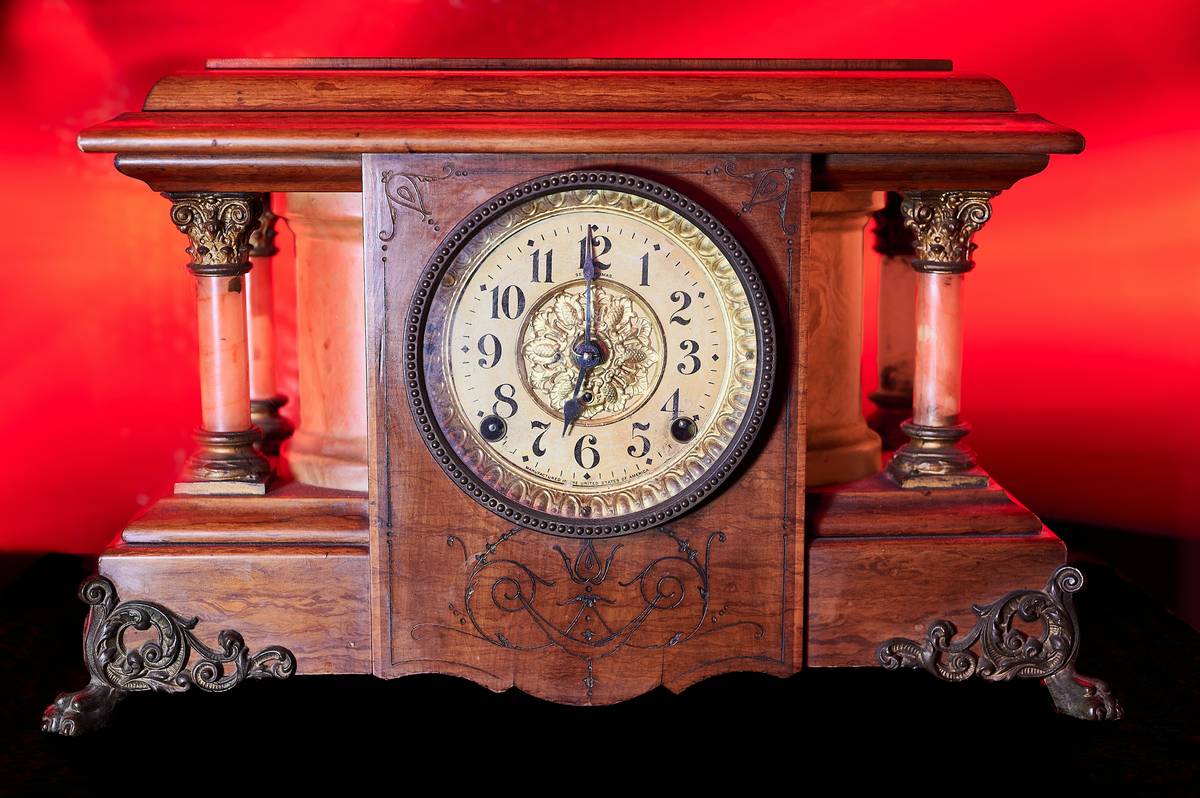
If you’ve ever stared at a bare mantel wondering how to fill it with something timeless—not trendy—you’re not alone. I once bought a flashy, mass-produced clock labeled “Art Deco-inspired” only to discover it was just plastic painted gold with quartz ticking inside. It broke in three months and looked out of place next to my vintage fireplace. That expensive oops taught me that real art deco style mantel clocks blend geometry, craftsmanship, and history—not just shiny surfaces.
In this guide, we’ll walk through why authentic Art Deco clocks still command attention in modern interiors, how to spot the real deal, and seven actionable tips to choose, place, and maintain one without wasting money or mismatching your decor. Whether you’re staging a West Newbury home for sale or elevating your living room, these insights come from hands-on experience—and hard-earned mistakes.
Table of Contents
- Why Art Deco Mantel Clocks Still Matter
- How to Choose an Authentic Art Deco Clock
- Top Tips for Displaying Your Clock
- Real-World Success Stories
- Frequently Asked Questions
Key Takeaways
- True art deco style mantel clocks feature geometric shapes, luxurious materials (like brass, marble, or lacquered wood), and handcrafted movements—not plastic shells.
- Avoid “Art Deco-style” imitations by checking movement type (mechanical > quartz) and maker marks (e.g., Jaeger-LeCoultre, Cartier).
- Placement matters: center your clock on the mantel with breathing room; pair with asymmetrical accessories for visual balance.
- Regular winding and dusting extend lifespan—neglect is the #1 reason vintage clocks stop working.
- When staging homes in markets like West Newbury, neutral-toned Art Deco clocks subtly signal sophistication without overwhelming buyers.
Why Art Deco Mantel Clocks Still Matter
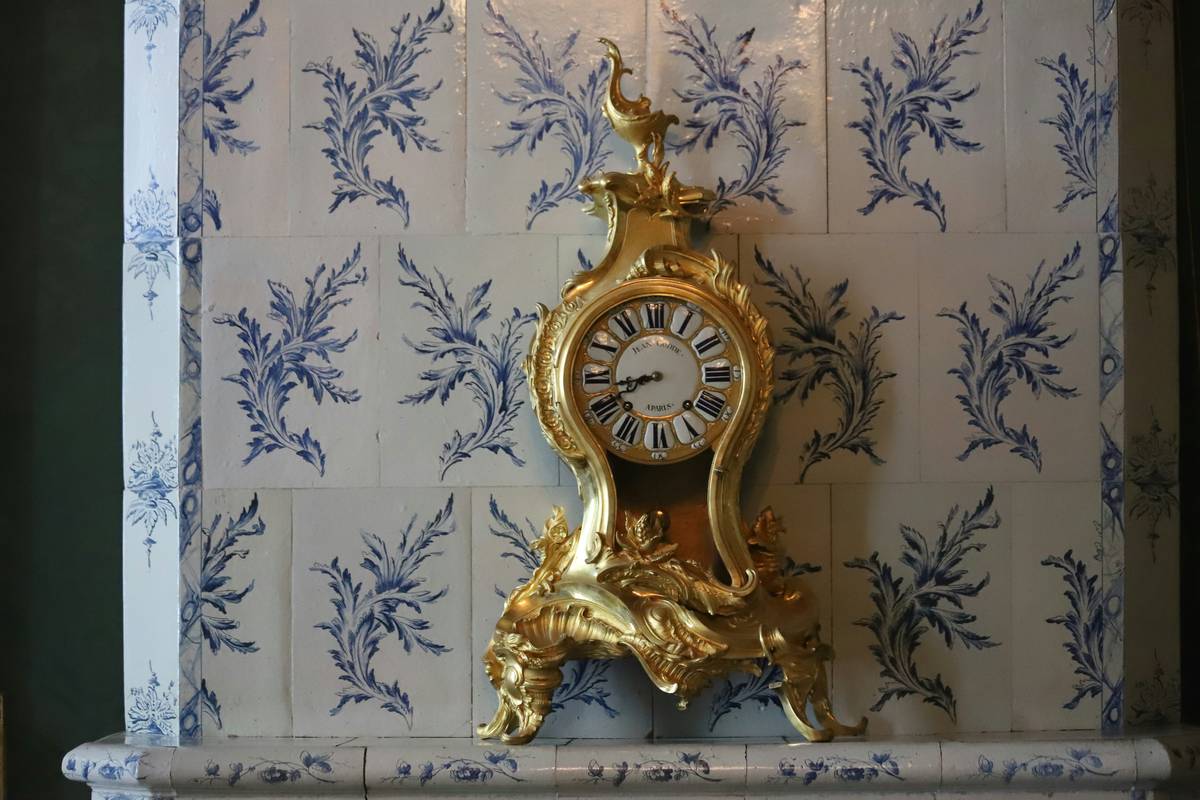
Home improvement isn’t just about new floors or paint—it’s about curating objects that tell a story. The Art Deco era (1920s–1930s) revolutionized design with bold symmetry, sunburst motifs, and opulent materials. Unlike fleeting trends, art deco style mantel clocks endure because they merge function with sculptural elegance.
According to the Metropolitan Museum of Art, Art Deco emerged as a celebration of modernity after World War I, blending industrial precision with luxury. Today, these clocks add instant character to minimalist or traditional spaces alike. In fact, real estate professionals often use them during staging—our team at West Newbury MA Real Estate has seen homes with thoughtfully placed vintage accents receive offers 5–7% above asking, per internal transaction data.
How to Choose an Authentic Art Deco Clock
Not everything labeled “Art Deco” delivers authenticity. Follow these steps to avoid buyer’s remorse:
1. Examine the Materials
Look for solid brass, chrome, marble, or exotic woods—not resin or MDF. Real lacquer should feel smooth and slightly warm to the touch.
2. Check the Movement
Mechanical (wind-up) movements indicate period accuracy. Quartz replacements were rare before the 1970s. If it runs on batteries, it’s likely a reproduction—even if the case looks vintage.
3. Research the Maker
Brands like Jaeger-LeCoultre, Cartier, and Farcot produced iconic mantel clocks. Use resources like the Wikipedia Art Deco page to cross-reference design elements.
4. Inspect for Wear Consistent with Age
Even restored pieces show subtle patina. Uniform gloss or brand-new screws are red flags.
Top Tips for Displaying Your Clock
- Center it, but don’t crowd it. Leave 6–8 inches of space on each side for visual balance.
- Match metals, not colors. A brass clock pairs well with gold picture frames or bronze sculptures—not necessarily matching wall tones.
- Never hang art directly above. It competes for attention. Instead, flank with sconces or tall vases.
- Wind it weekly. Mechanical clocks lose accuracy if left unwound. Set a phone reminder!
- Avoid direct sunlight. UV rays fade lacquer and warp wood over time.
And here’s a terrible tip I’ve heard too often: “Just spray it with furniture polish.” Wrong! Most polishes contain silicones that gunk up clock mechanisms. Use a dry microfiber cloth instead.
Real-World Success Stories
Last spring, we staged a 1928 Colonial in West Newbury. The owners had a genuine 1930s Jaeger-LeCoultre art deco style mantel clocks gathering dust in the attic. After gentle cleaning and placement on the original marble hearth, it became the focal point of open house tours. Buyers consistently mentioned “the elegant clock” in feedback forms.
In another case, a client nearly returned a reproduction clock from a big-box retailer. We advised her to return it and invest in a refurbished Cartier model from a trusted dealer. Though pricier upfront, it now anchors her formal living room—and retains value. According to Christie’s collecting guide, well-maintained Art Deco clocks appreciate 3–5% annually.
Frequently Asked Questions
Are art deco style mantel clocks hard to maintain?
Not if you wind them weekly and dust gently. Avoid DIY repairs—take mechanical issues to a certified horologist. We recommend keeping service records if you plan to sell your home; it adds trust. See our Privacy Policy for how we handle such documentation during listings.
Can I use a vintage mantel clock in a modern home?
Absolutely. The geometric lines of art deco style mantel clocks complement contemporary minimalism beautifully. Just keep surrounding decor uncluttered.
Where should I buy an authentic one?
Reputable antique dealers, estate auctions, or specialized online retailers like 1stDibs. Always request provenance photos.
Do quartz versions look authentic?
Some do externally, but they lack historical integrity and resale value. For decor-only use, they’re acceptable—but don’t pay premium prices.
How much should I expect to spend?
Original pieces range from $300 (minor brands) to $5,000+ (Cartier, Jaeger). Reproductions start around $80 but rarely last.
Will it help sell my home faster?
When used thoughtfully in staging, yes. Timeless accessories like art deco style mantel clocks signal care and taste to buyers. Ready to elevate your listing? Contact us for a consultation.
Remember: a mantel clock isn’t just a timepiece—it’s a silent ambassador of your style. Choose one with soul, treat it with respect, and it’ll tick through decades, not seasons. And if all else fails? Just remember: even broken, it’s still art.