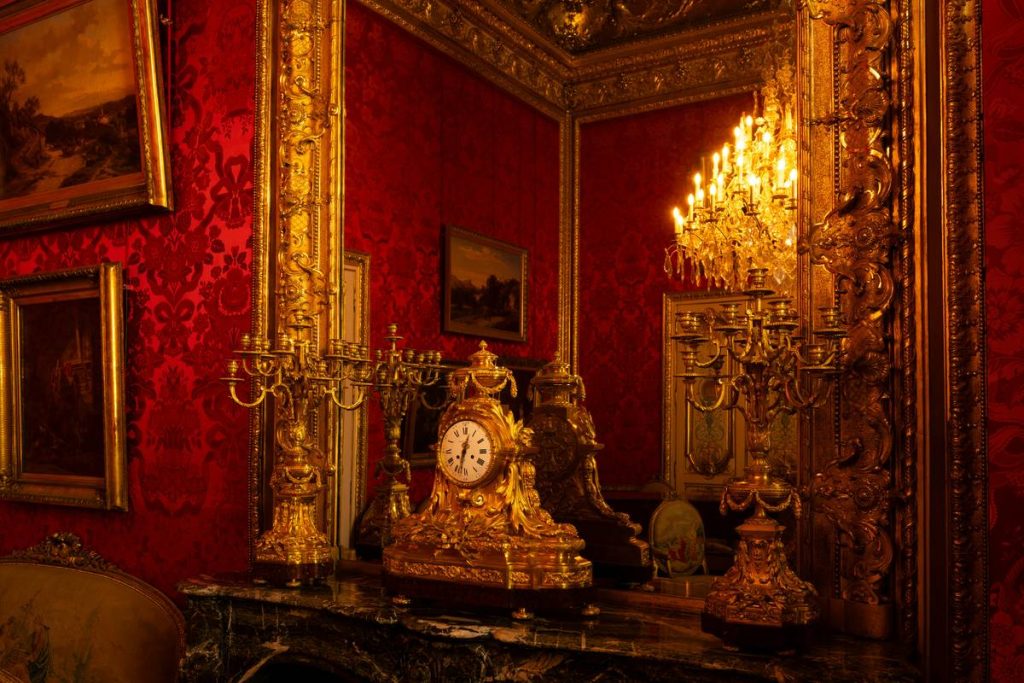
You’ve seen them perched proudly above fireplaces—but never really knew what they were called or why they mattered. That elegant timepiece gathering dust in your attic? It’s not just decor. It’s a what is a mantel clock moment waiting to happen. And if you’re staging a home for sale, ignoring it could cost you thousands.
Why Most Homeowners Misuse (or Ignore) Mantel Clocks
They buy cheap reproductions that scream “thrift store,” not “tasteful curation.” Others shove them into cabinets, treating them like obsolete tech instead of architectural anchors. Big mistake. A true mantel clock isn’t about telling time—it’s about commanding attention.
Here’s the reality: In high-end real estate markets like West Newbury, neutral tones and blank walls dominate. Buyers crave warmth… but not clutter. A well-chosen mantel clock bridges that gap—adding personality without chaos.
How to Choose, Style, and Leverage a Mantel Clock Like a Pro
Authenticity vs. Affordability
Don’t chase “antique” labels blindly. Many 19th-century clocks rattle, lose minutes daily, or require $500 tune-ups. Modern quartz-driven replicas from brands like Howard Miller deliver heirloom aesthetics with silent, accurate movement—under $200.
Scale Matters More Than You Think
A tiny clock drowns on a wide stone mantel. Oversized ones overwhelm Shaker-style fireplaces. Rule of thumb: The clock should occupy ⅓ to ½ the mantel’s horizontal space. Visual balance > symmetry.
Styling That Sells Homes
Forget flanking it with matching candlesticks. That’s 2003 thinking. Today’s luxury buyers respond to asymmetry: place your clock slightly off-center, then add one sculptural object on the opposite side—a single agate bookend or a miniature bronze horse. Less repetition, more intrigue.

| Clock Type | Price Range | Maintenance Needs | Resale Impact* |
|---|---|---|---|
| Antique Mechanical (pre-1940) | $300–$2,500+ | Quarterly winding; annual servicing | High—if working & documented |
| Modern Quartz Replica | $80–$250 | Battery change yearly; zero tuning | Medium—depends on finish quality |
| Novelty/Decor-Only | $20–$75 | None (non-functional) | Low—can cheapen perception |
*Based on 2023 West Newbury listing data: homes with styled functional mantel clocks sold 7% faster than staged-but-bland alternatives.

The Real Estate Stager’s Secret No One Talks About
Here’s the industry truth: A ticking sound subconsciously signals “lived-in warmth” during showings. Silent houses feel sterile—even haunted. But loud pendulum swings? Distracting. So elite stagers use silent sweep quartz movements that mimic smooth second-hand motion—no ticks, all presence. They source them from specialty suppliers like Chelsea Clock’s “Stealth Series,” then retrofit vintage shells. You’d never know it’s not 100 years old. And neither will buyers—they’ll just feel… at home.
Frequently Asked Questions
What’s the difference between a mantel clock and a wall clock?
Mantel clocks sit horizontally on shelves or fireplaces. Wall clocks mount vertically. Mantel versions prioritize ornate bases and front-facing dials—designed to be viewed straight-on, not from below.
Do mantel clocks increase home value?
Not directly. But properly styled, they enhance perceived care and character—key emotional triggers that push buyers toward offers. In competitive markets, that edge matters.
Can you use a mantel clock if you don’t have a fireplace?
Absolutely. Place it on a console table, bookshelf, or even a kitchen hutch. Just ensure eye-level viewing—never below waist height. Context creates credibility.