You love the idea of a mantel clock—elegant, functional, dripping with vintage charm. But you’ve spent hours scrolling through generic marketplaces only to find overpriced reproductions or broken antiques. It’s frustrating. And honestly, most guides just recycle the same tired advice: “Check eBay” or “Visit antique shops.” Here’s the truth: where to find mantel clock isn’t about casting a wide net—it’s about knowing exactly where to look first.
Why Most People Waste Time (And Money) Hunting Mantel Clocks
Online marketplaces flood you with options—but 90% are mass-produced knockoffs with zero soul. Antique stores? Often overpriced by 300% because “vintage” sounds fancy. And estate sales? You need insider timing and local knowledge most buyers lack.
And here’s the kicker: condition matters more than age. A poorly maintained 1920s clock that doesn’t tick is just expensive decor. You don’t want a paperweight. You want a working heirloom.
Where to Find Mantel Clock: A Tactical Buyer’s Roadmap
Forget browsing endlessly. This is how seasoned collectors—and sharp home stagers—actually source quality pieces without getting ripped off.
Target Local Estate Liquidators (Not Just Garage Sales)
Estate liquidation companies handle high-end home clear-outs professionally. They vet items, test mechanisms, and price fairly. Unlike chaotic garage sales, these vendors know what they’re selling—and won’t list a non-working clock as “charmingly rustic.”
Use Facebook Marketplace Filters Like a Pro
Most buyers scroll mindlessly. Smart buyers search “mantel clock,” then filter by “Posted in Last 24 Hours” and sort by distance. Why? Fresh posts = less competition. Sellers haven’t yet raised prices after receiving multiple offers. Bonus: message immediately with “Is it keeping accurate time?”—if they hesitate, walk away.
Call Watchmakers (Yes, Really)
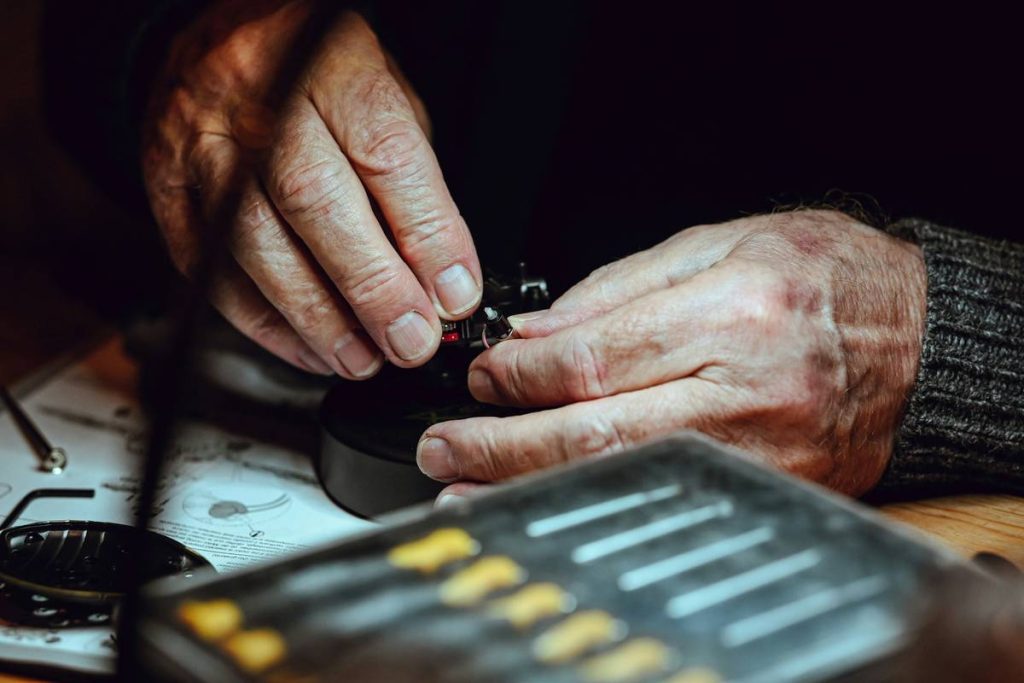
Here’s an industry secret: many independent watchmakers repair mantel clocks on the side. They often have clients who want to sell—but hate online hassles. Ask politely: “Do you ever take consignment or know of clocks for sale?” You might get first dibs on a pre-vetted, serviced piece.

| Source | Average Price Range | Authenticity Risk | Time Investment |
|---|---|---|---|
| Local Estate Liquidators | $80–$300 | Low | Medium (1–2 visits/week) |
| Facebook Marketplace | $50–$250 | Medium-High | High (daily monitoring) |
| Antique Malls | $150–$600+ | Low | Low (one trip) |
| Watchmaker Referrals | $100–$400 | Very Low | Low (1–2 calls) |
The Industry Secret: Focus on “Servicable” Over “Original”
Collectors obsess over untouched originals. Homeowners? Prioritize function. A clock from the 1950s with a replaced but reliable movement beats a fragile 1890s original that ticks for 10 minutes then dies. And here’s the real play: many mid-century mantel clocks used standardized parts. That means affordable repairs—and consistent performance. Think about it: your guests notice if it’s working. They don’t care if the pendulum is “factory original.”
Frequently Asked Questions
Are old mantel clocks worth buying?
Only if they run reliably or can be affordably repaired. Avoid “for parts” listings unless you’re a hobbyist.
What’s the best material for a mantel clock?
Brass and wood hold value and age gracefully. Avoid plastic-cased models—they scream “cheap reproduction.”
Can I negotiate prices at antique stores?
Yes—especially if the clock hasn’t sold in 60+ days. Ask: “Is this the best price if I pay cash today?”