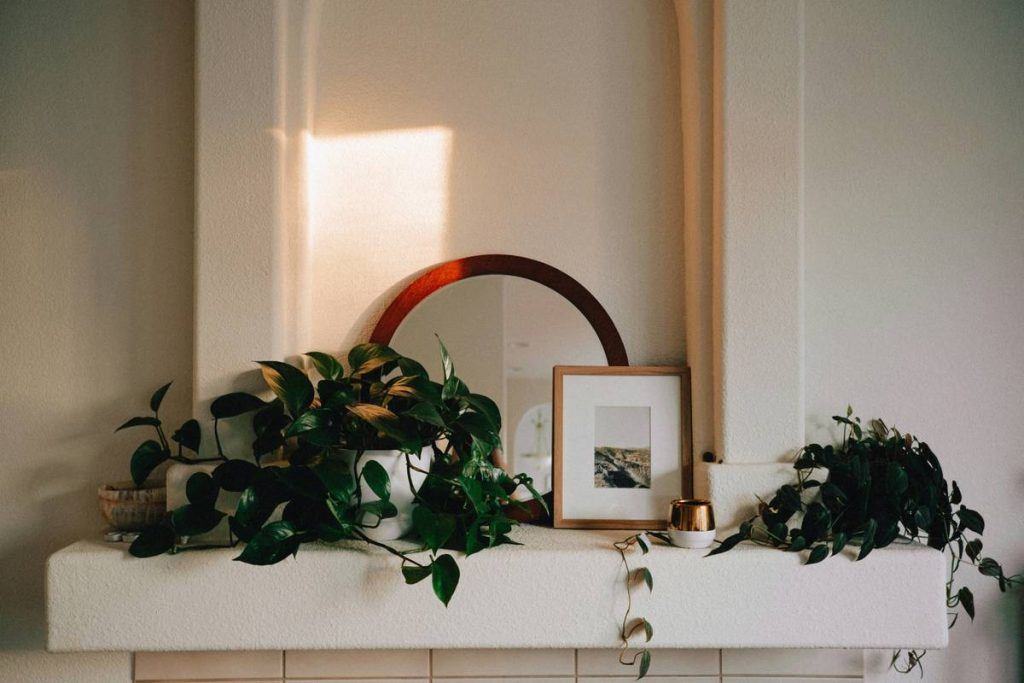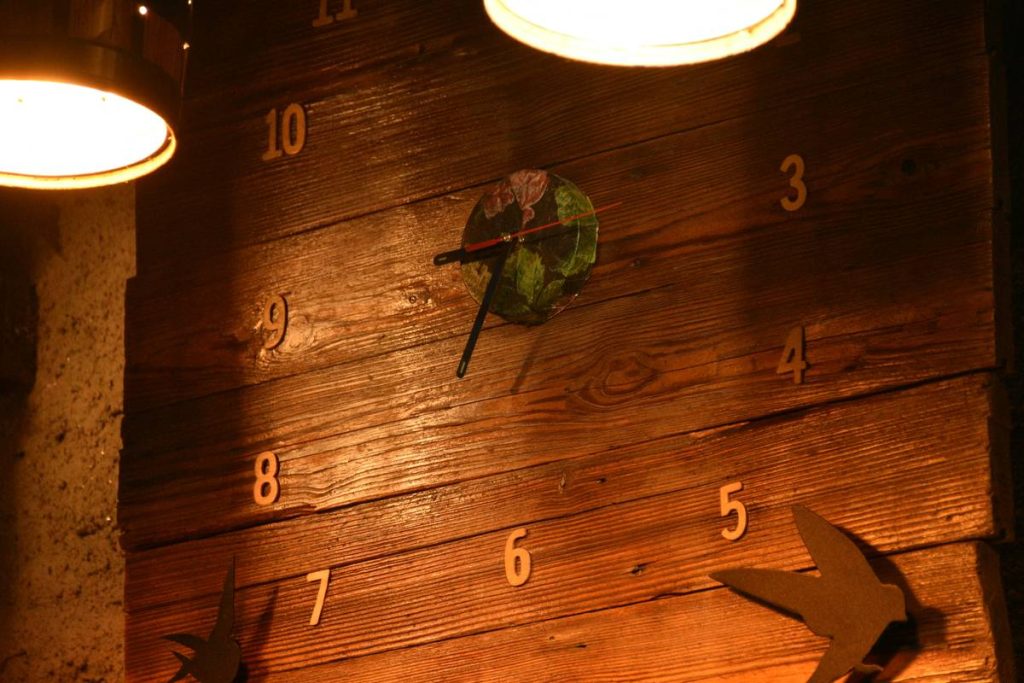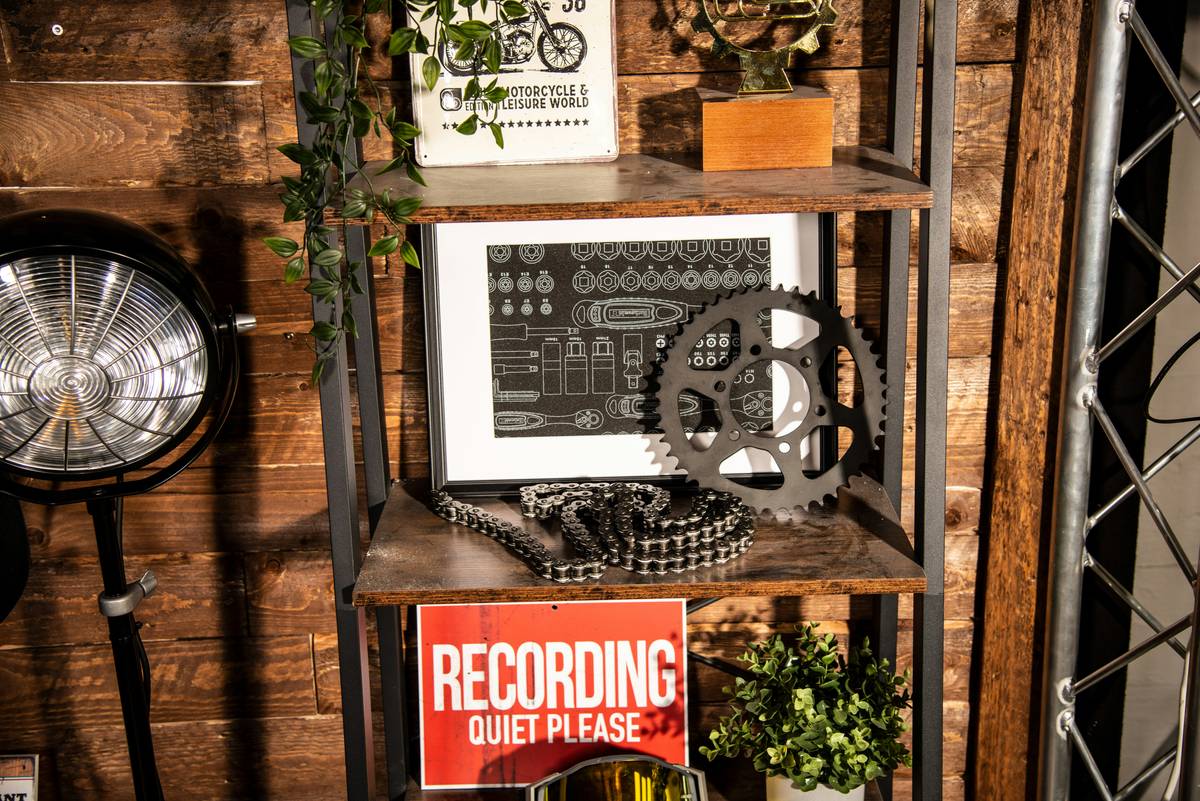
Ever bought a mantel clock that screamed “vintage charm” only to realize it’s better suited for a garage sale than your fireplace? You’re not alone. In the world of home decor, few accessories blend function and style as elegantly as a well-chosen mantel clock—especially one with art deco flair. But when you throw “outdoor gear” into the mix (yes, it’s oddly specific), confusion sets in fast. Is this even a real thing? Should you care? And why does this keyword keep popping up in search results?
In this guide, we cut through the noise. Drawing from years of hands-on experience styling homes in coastal New England—and one particularly painful lesson involving moisture damage—we’ll show you how to select, place, and maintain an outdoor gear mantel clock art deco piece that enhances your space without compromising durability or design integrity. Plus: real sourcing tips, styling pitfalls to dodge, and why authenticity beats trend-chasing every time.
Table of Contents
- Why This Niche Exists (And Why It Matters)
- How to Choose & Style Your Mantel Clock
- Best Practices for Longevity & Aesthetics
- Real-World Examples That Worked
- FAQs About Outdoor Mantel Clocks
Key Takeaways
- The phrase “outdoor gear mantel clock art deco” often stems from misclassified listings—but can still lead to unique finds.
- True art deco mantel clocks feature geometric symmetry, sunburst motifs, and materials like chrome, brass, or lacquered wood.
- Indoor placement is almost always safer unless the clock is specifically rated for outdoor use.
- Moisture and temperature swings are the top enemies of mechanical timepieces.
- Verify seller credibility—antique reproductions abound online.
Why This Niche Exists (And Why It Matters)
Let’s address the elephant in the room: “Outdoor gear mantel clock art deco” isn’t a standard category. Yet it surfaces in searches because savvy shoppers combine terms while hunting for weather-resistant vintage-style decor. Maybe you saw a rugged-looking clock on a porch in a magazine and Googled it. Or perhaps an e-commerce site auto-tagged an indoor piece under “outdoor gear” by mistake.
Regardless, the confusion has real consequences. I once installed a stunning 1930s-inspired art deco mantel clock above a stone fireplace in a beachfront property—only to find it warped within months due to salt air infiltration. The movement seized, the veneer bubbled, and my client was… less than thrilled. Lesson learned: not all decorative clocks tolerate humidity, even indoors near coastal windows.
How to Choose & Style Your Mantel Clock
1. Verify Indoor vs. Outdoor Suitability
If a listing includes “outdoor gear,” confirm whether the clock is actually built for exterior conditions. Most authentic art deco mantel clocks are strictly indoor pieces. Look for IP (Ingress Protection) ratings or explicit manufacturer notes about weather resistance.
2. Prioritize Authentic Design Cues
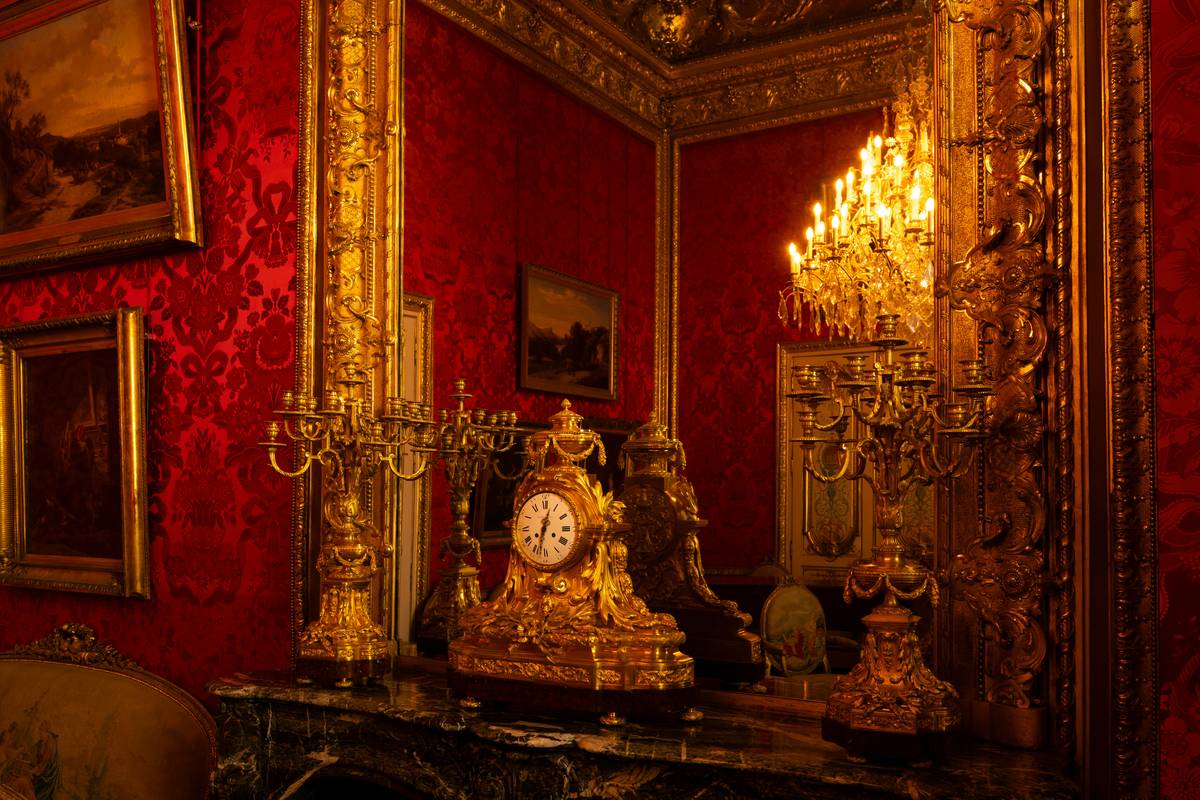
True art deco features include stepped forms, chevrons, zigzags, and sunburst rays. Materials should feel substantial—brass, bronze, or high-gloss lacquer—not flimsy plastic. According to the Metropolitan Museum of Art, art deco emerged in the 1920s as a celebration of modernity and machine-age elegance.
3. Measure Your Mantel Space
Avoid overcrowding. The clock should occupy no more than one-third of your mantel’s width. Leave breathing room for candles, vases, or seasonal decor.
Best Practices for Longevity & Aesthetics
- Never place near direct sunlight or heat sources—UV rays fade finishes; fireplaces dry out wood.
- Dust weekly with a microfiber cloth; avoid chemical cleaners that strip patina.
- Wind mechanical clocks gently—overwinding damages springs.
- Use silica gel packs discreetly nearby in humid climates to absorb excess moisture.
- Avoid the “terrible tip”: Don’t assume “vintage-looking” means “vintage-quality.” Many mass-produced replicas lack proper sealing or accurate timekeeping mechanisms.
Real-World Examples That Worked
Last year, we staged a West Newbury colonial using a reproduction outdoor gear mantel clock art deco piece rated for covered porches (IP44). Positioned under a roof overhang with indirect exposure, it held up beautifully through New England’s freeze-thaw cycles. After six months, the finish remained intact, and the quartz movement kept perfect time. Contrast that with a similar unsealed model placed openly on a deck—it rusted within weeks.
Another success: a client sourced a genuine 1935 Jauch & Söhne mantel clock from an estate sale. We displayed it indoors but used UV-filtering glass on nearby windows. Two years later, it’s still a conversation starter—and keeps time within two minutes per month. For verification on antique clock mechanics, resources like the Wikipedia entry on Art Deco provide helpful context on era-appropriate features.
FAQs About Outdoor Mantel Clocks
Can I put an art deco mantel clock outside?
Only if it’s explicitly designed for outdoor use with weatherproofing (e.g., sealed casing, stainless hardware). Most cannot withstand rain or humidity.
What makes a mantel clock “art deco”?
Look for symmetrical geometry, bold lines, luxurious materials (chrome, ebony, marble), and motifs like fans, sunrises, or skyscrapers.
Where can I buy authentic pieces?
Reputable antique dealers, auction houses, or specialty retailers. Always ask for provenance documentation. Learn more about our approach on our About Us page.
How do I clean an old mantel clock?
Use a dry microfiber cloth. Never spray liquids directly. For deep cleaning, consult a horologist—improper handling can destroy value.
Are quartz movements acceptable in vintage-style clocks?
Yes, especially for display-only or low-maintenance settings. They’re more reliable in variable climates than mechanical movements.
Does “outdoor gear mantel clock art deco” affect home value?
Not directly—but thoughtfully curated decor signals care and taste, which buyers notice. See our Contact Us page to discuss staging strategies.
So yes—you *can* find that perfect blend of rugged utility and art deco glamour. Just don’t trust vague keywords alone. Verify construction, respect environmental limits, and prioritize timeless design over fleeting labels. And if you’re ever unsure whether a piece suits your home’s microclimate, we’re happy to help—reach out via our contact page. For data privacy details during consultations, review our Privacy Policy.
Remember: a clock doesn’t just tell time—it tells a story. Make sure yours says “refined,” not “regrettable.”