You bought a “weatherproof” mantel clock labeled as outdoor gear. You mounted it proudly on your covered patio. Two weeks later—fogged lens, warped wood, hands stuck at 3:17. Classic mistake. The term “outdoor gear mantel clock how to” gets searched daily by homeowners who assume all decorative clocks tolerate dew and drizzle. They don’t. Most mantel clocks are built for dry, climate-controlled interiors—not the humidity swings and UV exposure of outdoor life. But you still want that vintage charm outside? Here’s how to fake it safely.
Why Standard Mantel Clocks Fail Outdoors (Even Under Cover)
Mantel clocks aren’t engineered like marine instruments or garden thermometers. Their movements rely on precise tolerances. Humidity swells wood cases. Temperature drops thicken lubricants. Condensation corrodes brass gears. And “covered” patios? They trap moisture—not block it.
Manufacturers slap “outdoor use” labels on clocks with zero IP ratings. Don’t fall for it. Real outdoor timepieces need sealed mechanisms, UV-resistant finishes, and stainless components. Your grandfather clock replica has none of that.
Outdoor Gear Mantel Clock How To: A Practical Workaround
You can enjoy the aesthetic without sacrificing function. Forget modifying indoor clocks—that’s a dead end. Instead, build a protected display that mimics an outdoor mantel setup while keeping the clock technically indoors.
Selecting the Right Replica or Shell
Buy a non-working antique-style mantel clock shell—or disable the movement of a working one. Use it purely as decor. Then pair it with a real outdoor-rated digital or analog clock hidden nearby. Sync them visually.
Creating a Micro-Climate Niche
Mount your decorative shell inside a deep, louvered cabinet under your porch overhang. Add silica gel packs behind the face. Ensure airflow but block direct rain splash. This isn’t foolproof—but it buys months, not days.
Alternative: Smart Integration
Embed a waterproof smart display behind tempered glass cut to fit the clock face. Program it to mimic antique hands. Control via app. It sounds high-tech—but costs less than replacing a ruined heirloom every spring.
| Approach | Upfront Cost | Lifespan Outdoors | Maintenance Needed |
|---|---|---|---|
| Real indoor mantel clock used outside | $50–$300 | 2–6 weeks | Daily wiping, frequent repairs |
| Non-working shell + hidden outdoor clock | $80–$200 | 3+ years | Quarterly dusting, annual seal check |
| Smart display behind custom face | $150–$400 | 5+ years | Firmware updates, occasional cleaning |
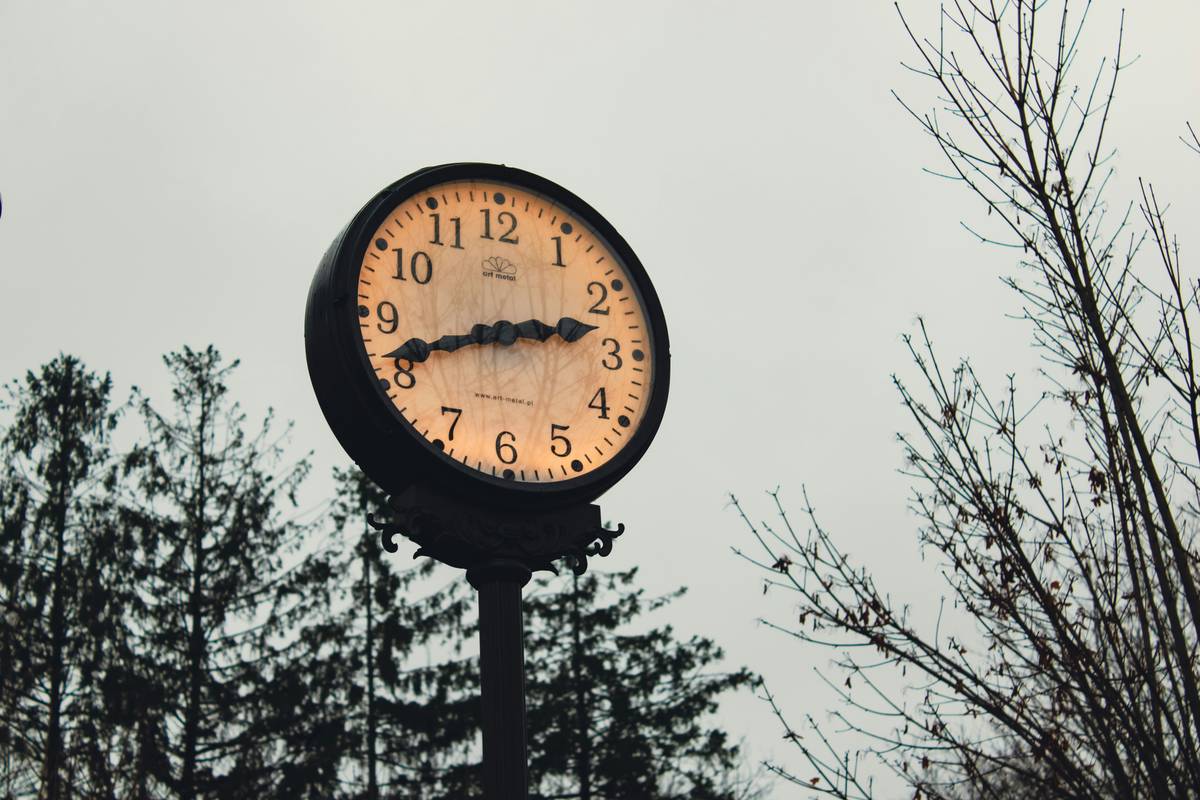
The Industry Secret: Clockmakers Never Intended These for Patios
Here’s what no retailer will tell you: most “mantel clocks” sold today—even expensive ones—are mass-produced with MDF cores and paper veneers. They warp faster than cheap plywood. True outdoor-compatible timepieces carry certifications like IP65 or marine-grade brass standards. You won’t find those at big-box stores. And clock repair shops? They see more water-damaged “patio clocks” in April than any other item. The math is simple: if it wasn’t built for boat cabins or pool houses, it won’t survive your screened-in porch long-term. Save your sentiment—and your budget—for pieces designed to endure.
Frequently Asked Questions
Can I seal a regular mantel clock for outdoor use?
No. Surface sealants crack under thermal cycling. Moisture still seeps through joints and keyholes. The movement remains vulnerable.
What’s the best material for an outdoor-friendly mantel clock look?
Cast aluminum with powder-coated finish. It mimics cast iron but resists rust and weighs less. Pair with a quartz movement rated for -20°F to 140°F.
Do solar-powered outdoor clocks work well?
Only in full sun. On shaded porches, they stall. Use hardwired or battery-backed options instead—they’re more reliable for consistent timekeeping.