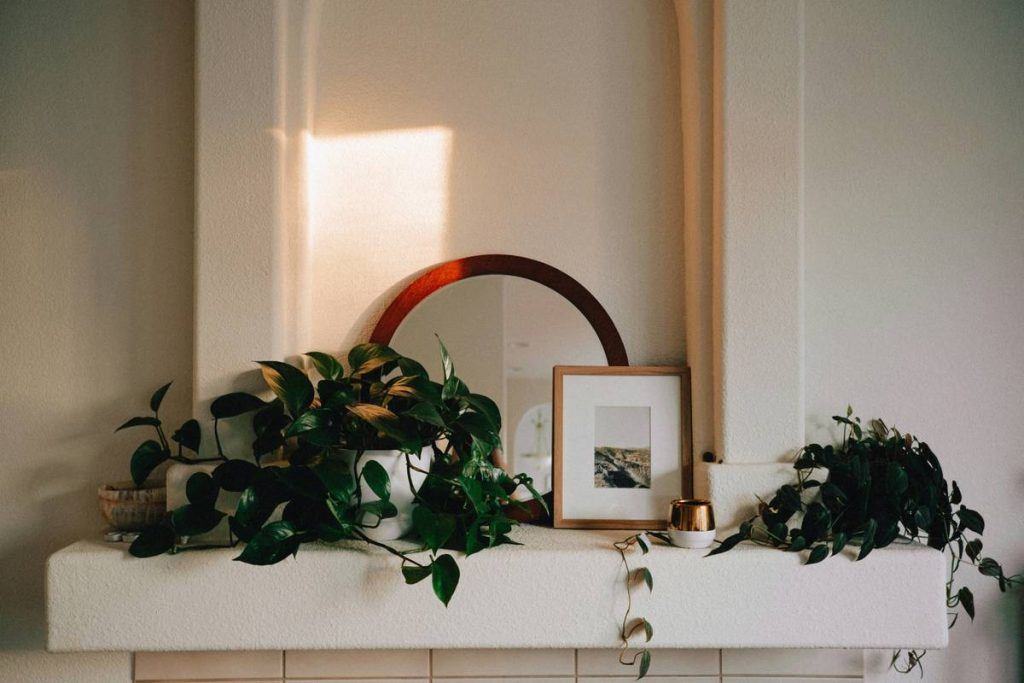
You spent thousands on artisanal throw pillows, reclaimed wood shelves, and that perfect fiddle-leaf fig. But your mantel? Bare. Or worse—cluttered with a flimsy plastic clock that screams “temporary.” It clashes with your curated aesthetic. And if you’re blending indoor comfort with outdoor adventure (a growing trend among design-forward homeowners), that disconnect grates every time you glance up. Here’s the fix: an outdoor gear mantel clock what make truly reflects your lifestyle—not just tells time.
Why Most Mantel Clocks Fail in Modern, Adventure-Inspired Homes
Traditional mantel clocks are delicate relics. Brass filigree, glass domes, porcelain faces—they belong in Victorian parlors, not next to your Patagonia vest and trail map. They don’t survive humidity swings from fireplace use. They gather dust like museum pieces. And they whisper “retirement” when your vibe is “weekend summit.”
But here’s the kicker: most so-called “rustic” clocks sold online are mass-produced junk. Same resin body, same generic quartz movement. No soul. No story. Just another shelf-filler pretending to be heritage.
How to Choose & Style a True Outdoor Gear Mantel Clock What Make Stands Out
This isn’t about slapping a compass decal on cheap MDF. Real outdoor-inspired mantel clocks merge function, durability, and narrative. Follow this framework:
Material Matters More Than You Think
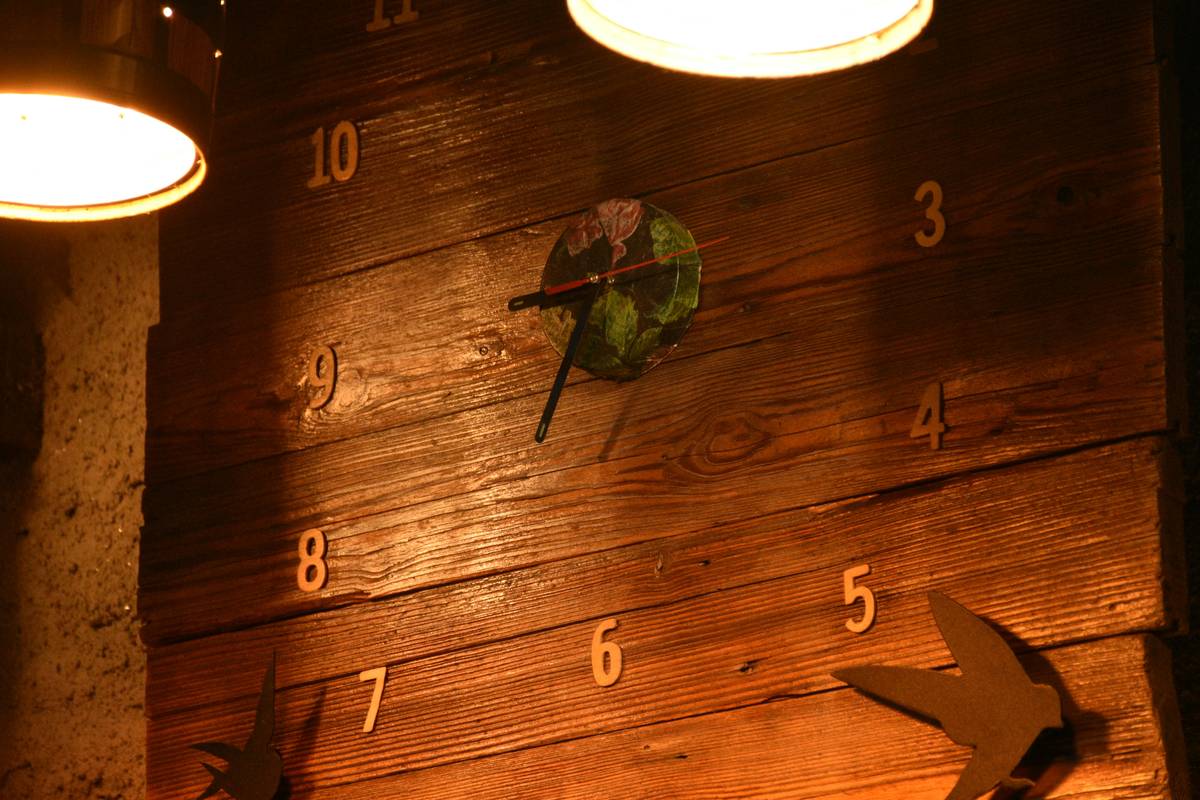
Forget plastic. Look for reclaimed barn wood, marine-grade aluminum, or even cast concrete. These materials age gracefully—developing patina, not peeling paint. Bonus: they’re naturally fire-resistant near hearths.
Movement Type Dictates Longevity
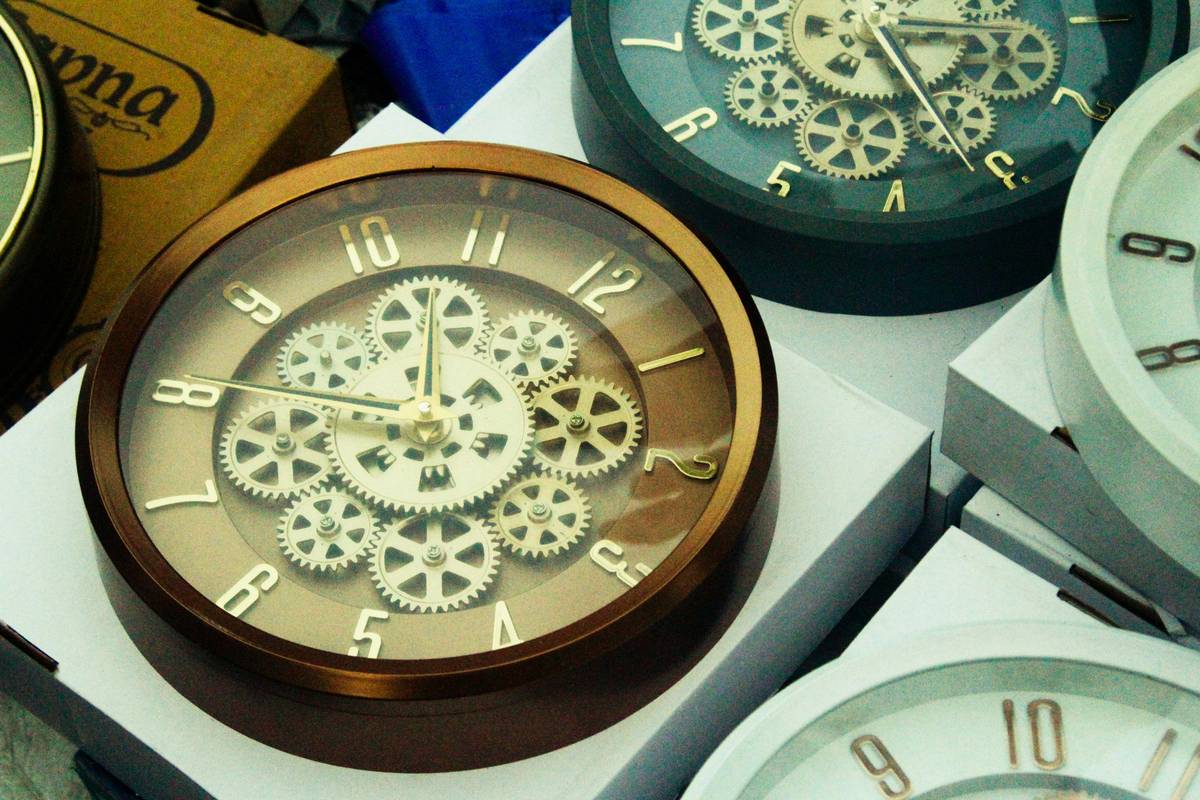
Quartz is fine for IKEA. For a piece meant to last decades, go mechanical or high-torque silent sweep. Less battery anxiety. More heirloom potential.
Design Should Echo Your Actual Gear
If your garage holds vintage climbing carabiners or a well-used fly rod, your clock should echo those textures—brushed metal, rawhide straps, topo map dials. Not cartoonish “outdoorsy” clichés.

| Feature | Budget Imitation ($20–$50) | Authentic Outdoor Gear Mantel Clock ($120–$300+) |
|---|---|---|
| Core Material | Hollow resin or particleboard | Reclaimed timber, forged steel, or solid brass |
| Movement | Basic quartz (loud ticking) | German-made mechanical or silent sweep |
| Weather Resistance | None (warps near heat) | Sealed finish handles humidity + radiant heat |
| Design Language | Generic “lodge” motif | Subtle nods to navigation, exploration, or craftsmanship |
The Industry Secret: Clockmakers Are Quietly Collaborating With Outdoor Brands
Here’s what no blog will tell you: small-batch clock artisans are partnering with heritage outdoor companies—think Filson, Duluth Pack, even niche knife makers—to co-create limited-run mantel clocks. These aren’t licensed merchandise. They’re functional art pieces using actual surplus materials: boot leather straps, tent pole ferrules as hour markers, even compass needles repurposed into hands. The result? A clock that doesn’t just sit on your mantel—it tells your personal expedition story. Fewer than 200 are made per run. You won’t find them on Amazon. Try maker markets near national parks or direct Instagram drops from craft horologists.
Frequently Asked Questions
Can a mantel clock really handle fireplace heat?
Yes—if built with kiln-dried wood and sealed finishes. Avoid clocks with glue-heavy joints or plastic components within 18 inches of the firebox.
What makes an ‘outdoor gear’ mantel clock different from a regular rustic one?
Authenticity. Real outdoor gear clocks use functional materials and design cues from actual field equipment—not decorative appliqués.
Where should I place my outdoor gear mantel clock what make sense aesthetically?
Center it slightly off-axis. Pair with asymmetrical objects—a folded wool blanket, a single antler, or a stack of field guides—to avoid looking staged.